The Rush for the Bill
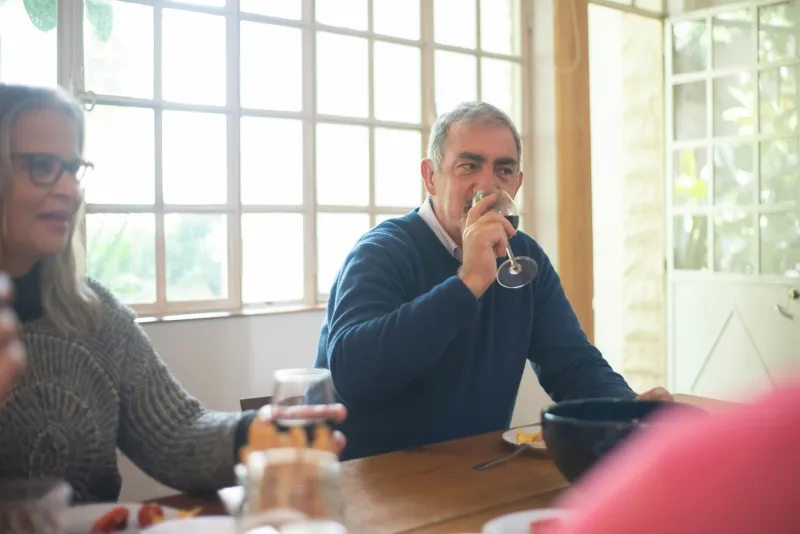
Picture this: you've just finished a lovely meal at your local gastropub. The plates are cleared, the last morsel of sticky toffee pudding consumed, and immediately someone's reaching for their wallet. "Shall we get the bill?" The evening's over, time to head home. Sound familiar?
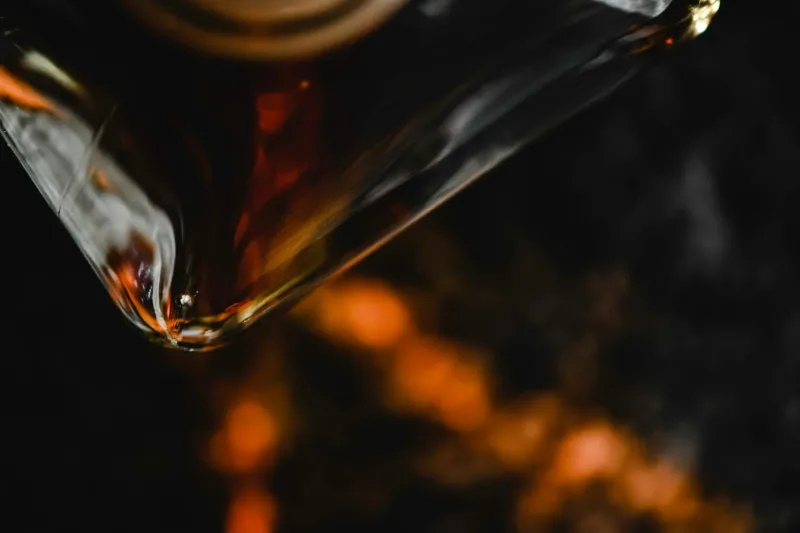
Now imagine a different scene: the same meal, but instead of rushing off, you're offered a small glass of amber liquid—perhaps a aged Calvados or a warming Cognac. The conversation continues, the evening extends naturally, and you find yourself genuinely relaxing for the first time all day. Welcome to the French art of the digestif.
More Than Just Another Drink
The digestif isn't simply France's version of a nightcap. It's a cultural institution that transforms the end of a meal from an abrupt full stop into a gentle ellipsis. In French dining culture, this ritual serves multiple purposes: it aids digestion (hence the name), provides a moment of reflection on the meal just enjoyed, and creates space for deeper conversation.
Unlike the British tendency to view alcohol consumption as either purely social lubrication or weekend escapism, the French approach treats these carefully crafted spirits as the natural conclusion to a culinary experience. It's mindful drinking at its finest—quality over quantity, contemplation over consumption.
The Digestif Family Tree
France offers an impressive array of post-meal spirits, each with its own character and purpose. Cognac, perhaps the most famous, brings warmth and complexity that pairs beautifully with dark chocolate desserts or a selection of aged cheeses. Its cousin Armagnac offers a more rustic, earthy profile that complements fruit-based puddings perfectly.
Calvados, the apple brandy from Normandy, provides a crisp, orchard-fresh finish that's particularly lovely after rich, creamy dishes—think tarte tatin or a proper cheese course. For those seeking something more herbaceous, Chartreuse and other monastic liqueurs offer botanical complexity that can cleanse the palate after heavy meals.
Then there's the world of eaux-de-vie—clear fruit brandies that capture the essence of pears, plums, or raspberries in liquid form. These delicate spirits work wonderfully after lighter fare or as a bridge between the main course and cheese.
The British Barrier
So why haven't we embraced this civilised tradition? Part of the answer lies in our relationship with alcohol itself. British drinking culture often emphasises volume and speed—think rounds at the pub or bottles of wine shared over dinner. The concept of a single, perfectly chosen measure consumed slowly feels almost foreign.
There's also our cultural relationship with time. We're a nation of clock-watchers, always conscious of the next appointment, the last train, or simply getting home at a "reasonable hour." The digestif requires something we're not always comfortable with: genuine leisure time.
Our restaurant culture compounds this. Many establishments, particularly outside London, still operate with the mindset that tables need to turn quickly. The idea of lingering over a small glass of aged spirits runs counter to this commercial imperative.
Perfect Pairings
The beauty of digestifs lies in their ability to complement what's come before. After a rich coq au vin or beef bourguignon, a robust Armagnac provides the perfect full stop. Following delicate sole meunière, a gentle poire Williams eau-de-vie offers a lighter conclusion.
Cheese courses—increasingly popular in British restaurants—cry out for digestif pairings. A perfectly aged Roquefort alongside a glass of Sauternes-aged Cognac creates a flavour combination that's greater than the sum of its parts. Aged Comté with a vintage Calvados transforms a simple cheese course into a transcendent experience.
Even our beloved British puddings can benefit from French finishing touches. Bread and butter pudding becomes elevated with a pour of Grand Marnier, while a classic apple crumble finds its perfect partner in a glass of aged Calvados.
Bringing France Home
You don't need to frequent Michelin-starred establishments to embrace digestif culture. Start by investing in one or two quality bottles—a good VS Cognac and perhaps a Calvados. Keep them for special occasions initially, serving small measures in proper glasses (brandy balloons or small tulip glasses work well).
The key is treating these spirits with respect. Serve them at room temperature, encourage slow sipping, and resist the urge to rush. Use them as conversation starters, asking guests about the flavours they detect or memories the aromas evoke.
The Slow Food Revolution
As Britain gradually embraces slow food principles and mindful eating, the digestif fits perfectly into this cultural shift. It represents everything we're learning to value: quality over quantity, experience over efficiency, and the importance of truly finishing what we've started.
French cafés and bistros across Britain are beginning to offer proper digestif selections, recognising that British diners are ready for this more sophisticated approach to ending a meal. It's not about adopting French customs wholesale, but rather about borrowing the best elements of their food culture to enhance our own.
The digestif tradition reminds us that great dining isn't just about the food—it's about creating moments worth remembering. In our increasingly fast-paced world, perhaps it's time we learned to savour not just our meals, but their endings too.