Let's be honest – when most Britons think of French food, we often picture either intimidatingly fancy restaurant dishes or the croissants we grab from the local bakery. But French cuisine is so much more than these extremes. At its heart, it's about taking simple, quality ingredients and treating them with respect. Here are ten French classics that prove this point beautifully, each one accessible enough to try at home but special enough to make any meal feel like an occasion.
1. Coq au Vin
The Story: This rustic dish supposedly dates back to Julius Caesar's conquest of Gaul, though the version we know today emerged from Burgundy's wine country. It's essentially France's answer to a good Sunday roast – comfort food elevated.
What It Tastes Like: Imagine the most tender chicken you've ever had, slowly braised until it falls off the bone, infused with rich red wine and aromatic herbs. The sauce is glossy and deeply flavoured, somewhere between a good gravy and a fine wine reduction.
Your Starting Point: Don't be put off by the wine – a decent bottle of red (something you'd happily drink) is all you need. Start with chicken thighs, add some bacon, mushrooms, and pearl onions. The key is patience; let it bubble away gently for an hour or so. Serve with mashed potatoes to soak up that incredible sauce.
2. Ratatouille
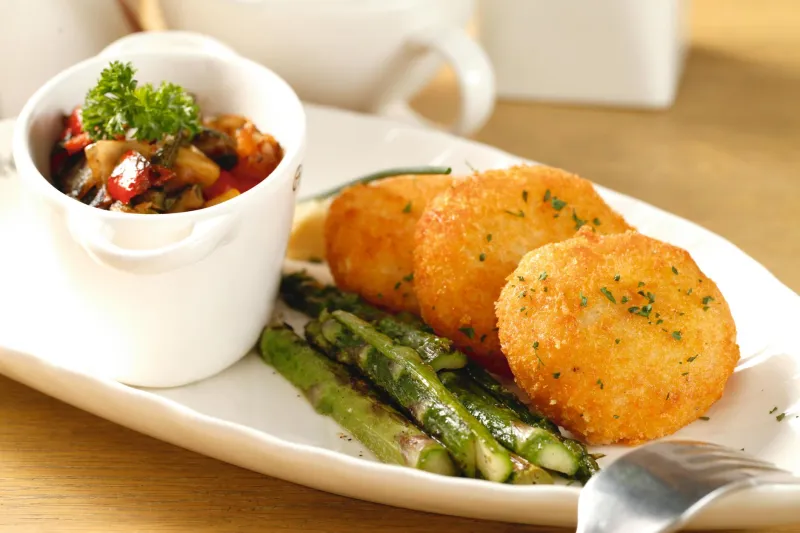
The Story: Far from the Pixar film's refined presentation, traditional ratatouille is a rustic vegetable stew from Provence. It was originally a way for farmers to use up the summer glut of vegetables – waste not, want not.
What It Tastes Like: Summer in a bowl. The vegetables – aubergine, courgette, peppers, tomatoes – meld together while maintaining their individual character. It's fresh yet hearty, with herbs that transport you to a Mediterranean hillside.
Your Starting Point: This is brilliant for using up vegetables lurking in your fridge. The secret is cooking each vegetable separately first, then combining them. Serve it as a side with grilled meat, toss it with pasta, or eat it on its own with crusty bread.
3. Bouillabaisse
The Story: This Provençal fish stew was originally fishermen's fare – a way to use up the day's unsold catch. The name comes from the Provençal words 'bolhabaissa', meaning 'to boil down'.
What It Tastes Like: If you love a good fish pie or seafood chowder, you'll adore bouillabaisse. It's intensely fishy (in the best way), with saffron adding an exotic, slightly sweet note. The broth is light but deeply flavoured.
Your Starting Point: Use whatever firm white fish you can get from your fishmonger – no need for expensive varieties. The magic is in the saffron and the rouille (a garlicky mayonnaise) served alongside. Think of it as an upmarket fish soup.
4. Cassoulet
The Story: This hearty bean stew from the Languedoc region has sparked passionate debates about authentic ingredients for centuries. Each town claims the 'true' version, but they all agree on one thing – it's ultimate comfort food.
What It Tastes Like: Rich, warming, and deeply satisfying. White beans slowly cooked with various meats (traditionally duck, pork, and sausage) until creamy and infused with flavour. It's France's answer to a full English breakfast – hearty and unapologetic.
Your Starting Point: Use good-quality sausages and whatever slow-cooking meat you have – even leftover roast works. Cannellini beans are perfect. It's actually better the next day, making it ideal for meal prep.
5. Tarte Tatin
The Story: Legend has it that this upside-down apple tart was created by accident at the Tatin sisters' hotel in the 1880s. A dropped tart became a triumph – sometimes the best discoveries happen by mistake.
What It Tastes Like: Caramelised apples with a slight tang, nestled under buttery, crisp pastry. The caramel is deep and not too sweet, with the apples holding their shape but yielding to the fork.
Your Starting Point: Use eating apples (Braeburn or Cox work well) and don't worry about making it look perfect – rustic is the point. A sheet of ready-made puff pastry makes this surprisingly achievable on a weeknight.
6. Pot-au-Feu
The Story: Literally 'pot on the fire', this is French home cooking at its most fundamental. It's the ancestor of our Sunday roast, a one-pot meal that brings families together.
What It Tastes Like: Think of the best beef stew you've ever had, but lighter and more refined. The broth is clear and deeply flavoured, the vegetables perfectly tender, the meat falling apart at the touch of a fork.
Your Starting Point: Use cheap cuts like brisket or shin – they're perfect for slow cooking. Add root vegetables and herbs, then let time do the work. Serve the broth as a starter, then the meat and vegetables as a main course.
7. Salade Niçoise
The Story: This Riviera salad has been hotly debated – purists insist on no cooked vegetables, while others embrace variations. What everyone agrees on is using the best ingredients you can find.
What It Tastes Like: Fresh, satisfying, and sophisticated. Good anchovies add depth without fishiness, while quality olive oil brings everything together. It's a salad that actually fills you up.
Your Starting Point: Use the best tinned tuna you can afford (or fresh if you're feeling fancy), add hard-boiled eggs, olives, and tomatoes. The key is great olive oil and not overdressing it.
8. Duck Confit
The Story: This preservation method from Gascony involves slowly cooking duck legs in their own fat. What started as necessity became a delicacy.
What It Tastes Like: Incredibly rich and tender, with crispy skin when finished properly. The meat is moist and flavourful, with a texture unlike anything else.
Your Starting Point: You can buy ready-made confit duck legs from good delis. Just crisp them up in a hot pan and serve with roasted potatoes and a simple salad. It's easier than you think.
9. Onion Soup
The Story: Once considered peasant food, French onion soup became a symbol of Parisian café culture. The key is patience – properly caramelised onions can't be rushed.
What It Tastes Like: Sweet, savoury, and deeply comforting. The onions become jammy and caramelised, the broth rich and satisfying. The cheese on top adds richness without overwhelming.
Your Starting Point: Use lots of onions (more than you think you need) and cook them slowly until golden. Good beef stock is essential. Gruyère cheese is traditional, but any good melting cheese works.
10. Crème Brûlée
The Story: This creamy custard topped with caramelised sugar has been disputed by both French and English cooks for centuries. Regardless of its origins, it's become a French restaurant staple.
What It Tastes Like: Silky, vanilla-scented custard contrasted with crisp, bitter caramel. The textural contrast is divine – smooth cream giving way to crackling sugar.
Your Starting Point: Don't be intimidated by the blowtorch – you can caramelise the sugar under a hot grill. The custard base is just cream, eggs, and vanilla. Make them in ramekins and they'll keep in the fridge for days.
Making It Your Own
The beauty of French cooking lies not in following rules religiously, but in understanding the principles: use good ingredients, don't rush the process, and let flavours develop naturally. Each of these dishes can be adapted to British tastes and ingredients without losing their essential character.
Start with one that appeals to you, and don't worry about achieving perfection on the first try. French cuisine, at its heart, is about bringing people together over good food. And that's something we Brits have always understood perfectly well.