There's something magical happening on Britain's high streets, and it smells absolutely divine. Walk through towns from Canterbury to Cardiff, and you'll notice a quiet revolution taking place—one that's all about proper bread, real pastries, and the kind of neighbourhood connection we thought we'd lost forever.
More Than Just Bread: The French Blueprint
The French have never lost sight of something we've been slowly rediscovering: the local boulangerie isn't just a shop, it's the heartbeat of a community. In France, popping to the bakery isn't a weekly shop—it's a daily ritual. You chat with your neighbours, debate the merits of different loaves, and leave with something that was quite literally made that morning.
This isn't about fancy sourdough for Instagram (though there's nothing wrong with that). It's about understanding that bread is fundamental to how we live, eat, and connect with each other. And increasingly, British entrepreneurs are embracing this philosophy whilst adding their own brilliant twists.
The New Wave: British Boulangeries with Character
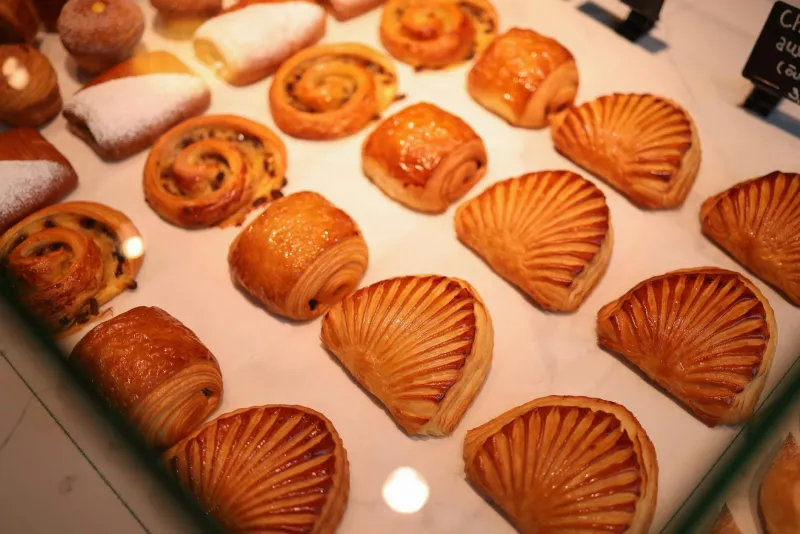
Take The Dusty Knuckle in Dalston, where ex-Michelin chefs are turning out croissants that would make Parisians weep whilst simultaneously perfecting the art of the British meat pie. Or venture to Gail's, which started as a single bakery in Hampstead and has grown into a mini-empire without losing that essential neighbourhood feel.
In Bath, Sally Lunn's has been doing the boulangerie thing since 1680—long before the French even invented the word. They've proved that the concept of fresh, daily bread as community cornerstone isn't foreign at all; we just forgot about it for a while.
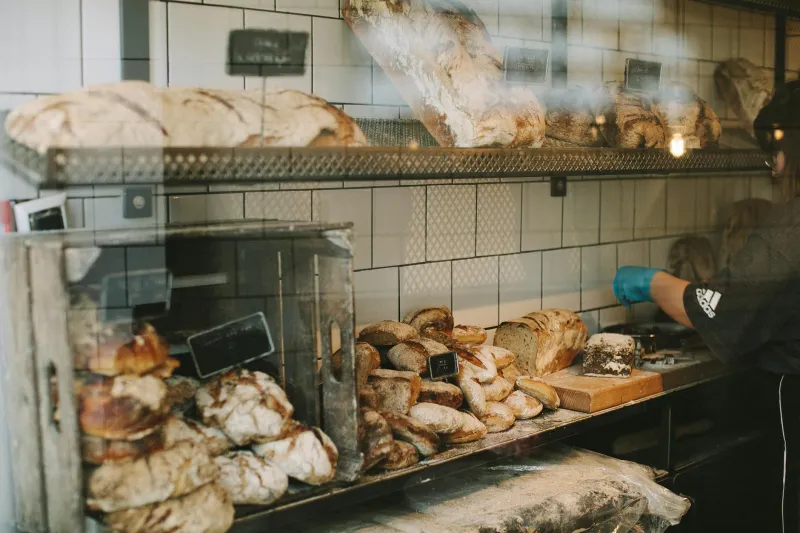
What's particularly exciting is watching these businesses adapt French principles to British tastes. You'll find traditional pain de campagne sitting alongside proper British lardy cake, and croissants sharing shelf space with Eccles cakes. It's not about replacing our baking heritage—it's about elevating it.
The High Street Rescue Mission
Here's where it gets really interesting. While chain stores struggle and retail parks dominate, these artisan bakeries are proving that high streets can thrive when they offer something genuinely valuable to local life.
Consider Pophams in Islington, where Saturday morning queues stretch around the block not because of clever marketing, but because they've created something worth queuing for. People don't just buy their morning pastry; they linger, they chat, they become part of something.
The numbers back this up too. Independent bakeries have grown by 12% in the past five years, bucking the trend of retail decline. They're not just surviving—they're anchoring entire neighbourhoods, creating the kind of foot traffic that benefits everyone from the greengrocer to the bookshop.
Beyond the Baguette: What Makes This Work
The secret isn't just in the flour (though proper flour certainly helps). It's in understanding that people crave authenticity and connection. When your local baker knows whether you prefer your sourdough well-done, and when you can watch your croissants being shaped through the window, you're not just buying bread—you're buying into a relationship.
This is where the French model really shines. In France, the boulanger is a respected craftsperson, someone who's mastered genuine skills over years of training. British artisan bakers are embracing this same dedication to craft, often training in France before returning to set up shop in places like Totnes or Twickenham.
The Breakfast Revolution
Perhaps most tellingly, these bakeries are changing how we start our day. The grab-and-go culture of supermarket sandwiches is giving way to something more civilised. People are rediscovering the pleasure of a proper breakfast pastry, eaten at a small table with actual coffee rather than whatever's cheapest.
This isn't about pretension—it's about taking five minutes to enjoy something good. And increasingly, British customers are willing to pay a bit more for that experience, recognising that quality and community connection are worth the investment.
Looking Forward: The Future of British Baking
The most encouraging thing about Britain's embrace of boulangerie culture is how naturally it's happening. We're not trying to recreate Montmartre in Manchester; we're taking the best ideas—daily fresh bread, skilled craftsmanship, community connection—and making them work for British life.
Some purists might argue that croissants will never be as British as crumpets, and they're probably right. But that misses the point entirely. The boulangerie effect isn't about replacing British traditions; it's about remembering that good food, made properly and shared with neighbours, is what makes anywhere feel like home.
As more British towns embrace this model, we're not just getting better bread—we're getting stronger communities. And in a world of online shopping and social isolation, that might just be the most important thing of all.
After all, there's nothing more British than taking a good idea and making it work perfectly for us. The neighbourhood bakery renaissance proves we're still rather good at that.