The Great French Dining Confusion
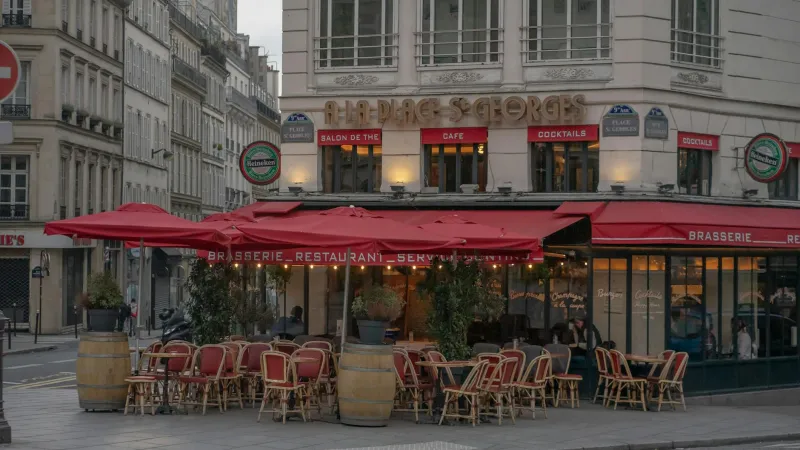
You've probably used the words interchangeably: "Let's grab lunch at that French café-bistro-brasserie place." But to the French, calling a bistro a brasserie is like calling a gastropub a greasy spoon. Each represents a distinct dining culture, with its own rhythm, rules, and reason for being.
Understanding these differences isn't just useful for impressing friends on your next Paris trip. As British high streets embrace Continental dining, knowing what you're walking into can mean the difference between a perfect meal and a disappointing muddle of expectations.
The Café: France's Living Room
Start with the café – the heartbeat of French social life. These aren't coffee shops in the British sense, where laptops dominate and turnover is king. French cafés are neighbourhood institutions where the same regulars appear at the same time daily, reading newspapers, playing cards, and conducting the gentle business of being human.
The menu? Deliberately simple. Croque monsieur, salade niçoise, steak frites – comfort food designed to fuel conversation rather than impress. Coffee flows constantly, but so does wine, often from surprisingly early in the day. Nobody blinks if you nurse a single espresso for two hours while watching the world go by.
In Britain, we're finally grasping this concept. Places like Monmouth Coffee in Borough Market or the various outlets of Department of Coffee and Social Affairs understand that cafés should feel lived-in rather than polished. They're spaces for lingering, not rushing.
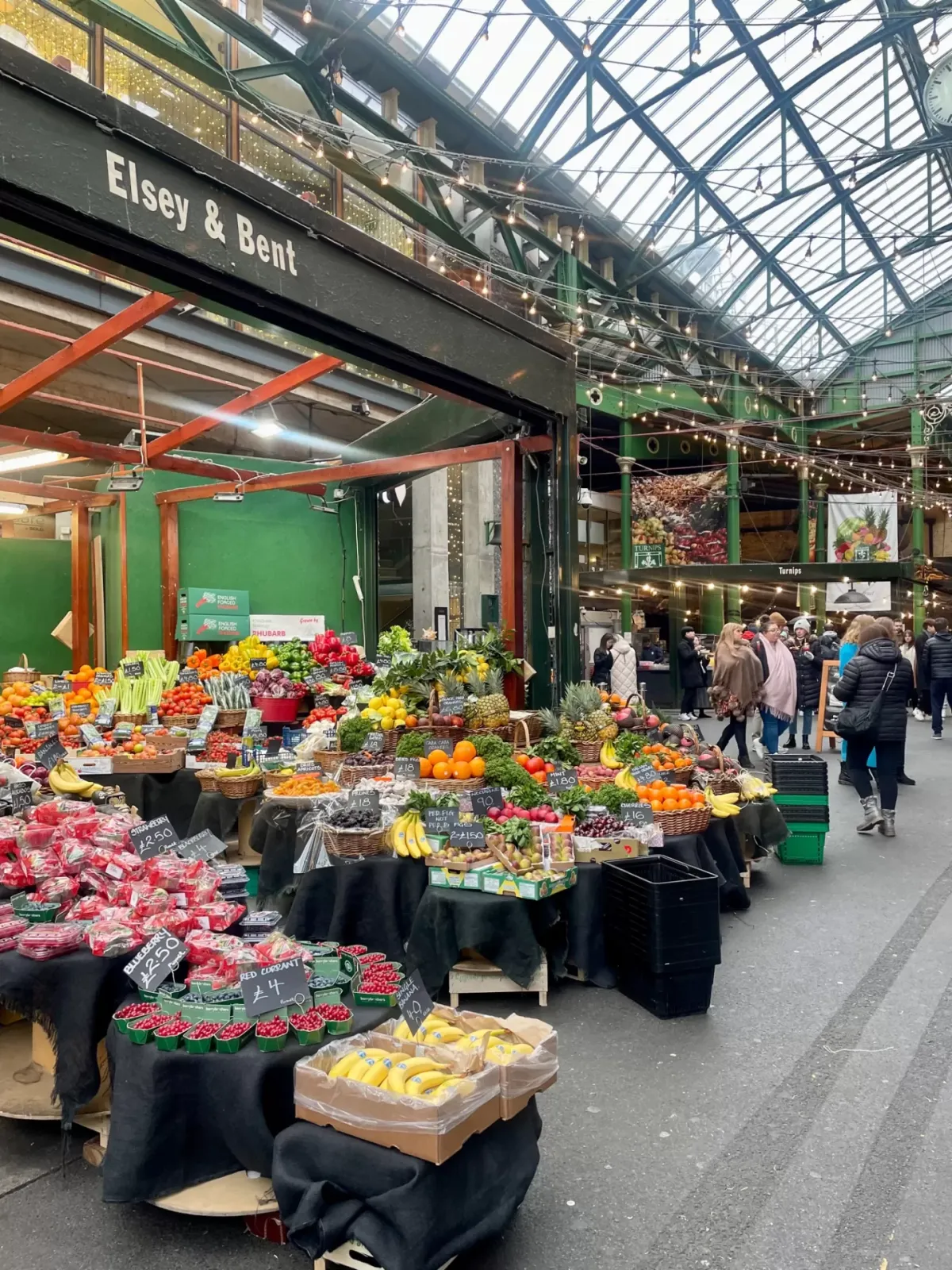 Photo: Borough Market, via lifeinwanderlust.com
The Brasserie: Where Energy Meets Efficiency
Brasseries operate on entirely different principles. Originally Alsatian beer halls, they've evolved into bustling, efficient operations serving quality food quickly to a rotating cast of diners. Think white-tiled walls, mirrored surfaces, and waiters who've perfected the art of friendly efficiency.
The menu tells the story: fresh oysters, choucroute garnie, confit de canard. Dishes that require skill but can be executed quickly when ordered. Brasseries pride themselves on being open all day, serving the same menu from noon until late evening. No awkward gaps between lunch and dinner service.
London's Randall & Aubin in Soho captures this perfectly – raw bar up front, efficient service, quality ingredients treated simply. The atmosphere buzzes with energy rather than intimacy. You come for excellent food and lively company, not quiet romance.
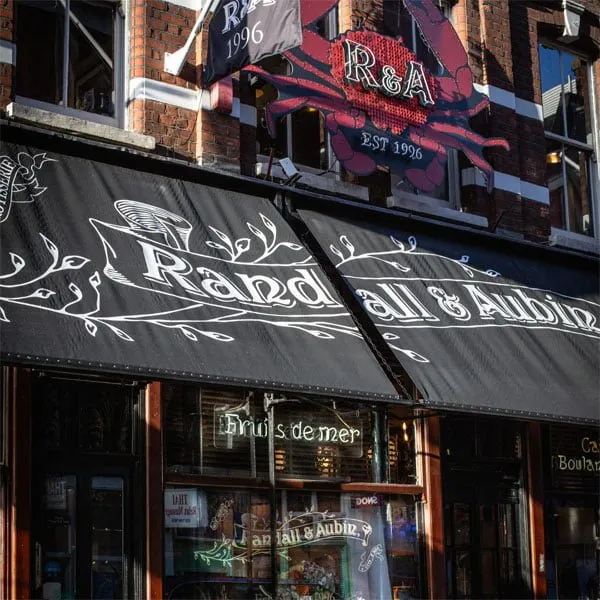 Photo: Randall & Aubin, via soho-london.co.uk
The Bistro: Intimacy and Innovation
Bistros occupy the sweet spot between casual and formal dining. Originally wine shops that served simple food to accompany their bottles, they've become temples to the kind of cooking that makes French cuisine legendary: seasonal ingredients, classical techniques, personal touches from chef-owners who live and breathe their craft.
Expect smaller spaces, handwritten menus that change regularly, and dishes that reflect both tradition and creativity. The pace is gentler than a brasserie, more focused than a café. This is where you come for special occasions that don't require mortgage-level spending.
St. John in Smithfield exemplifies the bistro spirit, even without the French flag. Nose-to-tail cooking, seasonal menus, and an atmosphere that's serious about food without taking itself too seriously. The focus remains squarely on what's on the plate.
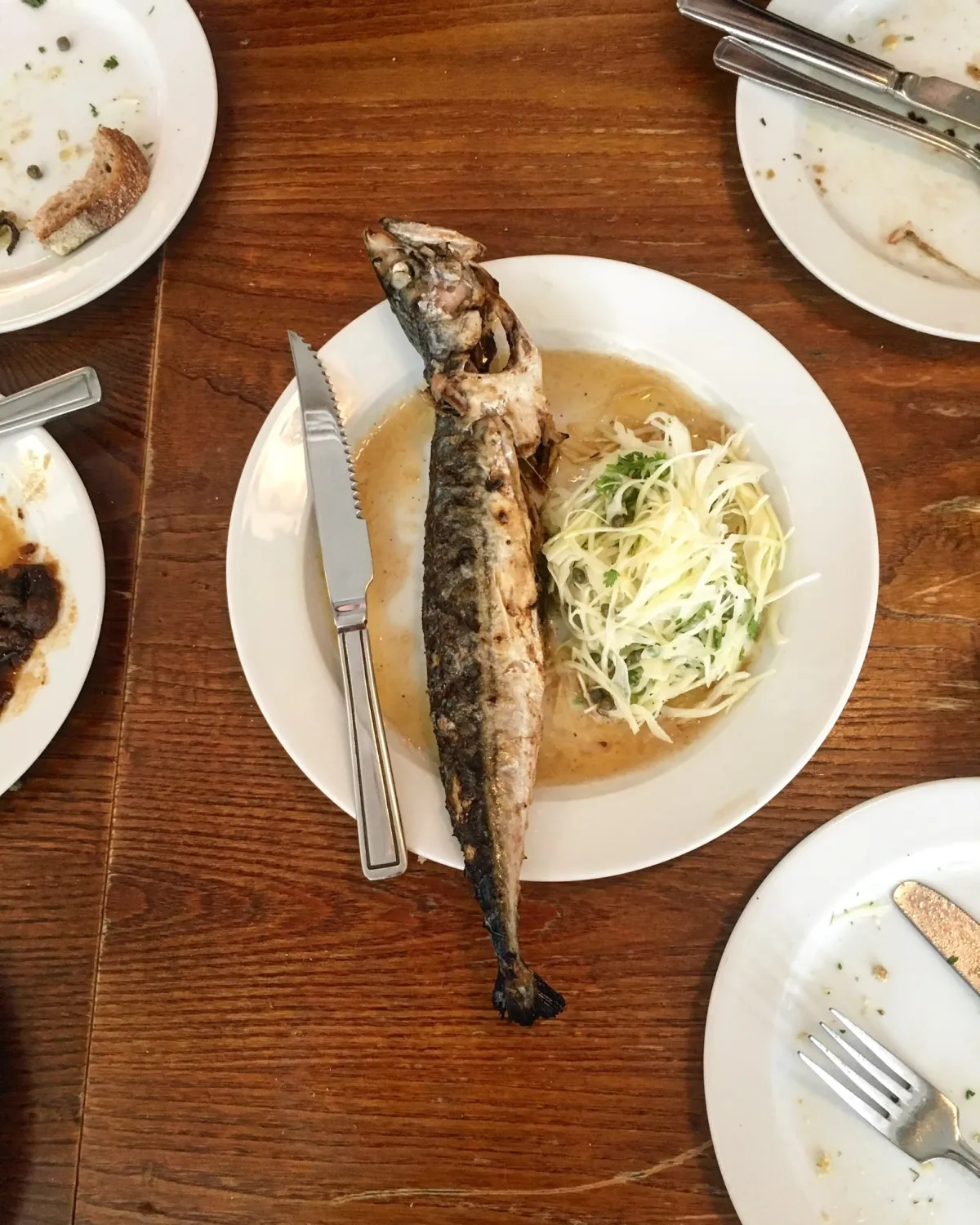 Photo: St. John in Smithfield, via static.thatsup.co
Reading the Signs
So how do you spot the difference when faced with a French-style establishment? Start with the pace. Cafés encourage lingering; brasseries keep things moving; bistros find the middle ground. Look at the menu length: cafés keep it short and simple, brasseries offer extensive options available all day, bistros present curated selections that change regularly.
Pricing provides another clue. Cafés charge for the experience as much as the food – that €4 espresso buys you a front-row seat to Parisian life. Brasseries price for efficiency and quality. Bistros charge for craft and creativity.
The British Interpretation
As British dining continues its Continental drift, we're seeing all three models take root. Chain operations like Côte attempt the brasserie model with mixed success – they've got the efficiency down but sometimes miss the soul. Independent operators often nail the bistro approach, particularly in areas like Bermondsey or King's Cross where chef-owners can afford to experiment.
The café model proves trickiest to transplant. British licensing laws and commercial rents work against the easy-going, all-day approach that defines French café culture. But when it works – think Fernandez & Wells or the various Caravan locations – it creates something genuinely special.
Why the Distinction Matters
Understanding these differences enhances every dining experience. Walk into a brasserie expecting bistro-level innovation, and you'll be disappointed. Expect café-style lingering in a busy brasserie, and you'll frustrate everyone involved.
But more importantly, each model offers something valuable. Cafés teach us to slow down and savour the moment. Brasseries show how efficiency and quality can coexist. Bistros demonstrate that serious cooking doesn't require serious pretension.
Embracing All Three
The beauty of French dining culture lies in having the right venue for every mood and occasion. Sometimes you need the gentle hum of a café, sometimes the energetic buzz of a brasserie, sometimes the intimate focus of a bistro.
Britain's dining scene grows richer as we stop lumping these concepts together and start appreciating their distinct pleasures. Each serves a different human need, and understanding that difference helps us choose more wisely and enjoy more fully.
Next time you see "French café-bistro-brasserie" on a sign, you'll know someone hasn't done their homework. But you'll also know exactly what questions to ask to figure out what you're really getting yourself into.