The Tyranny of the Wine List
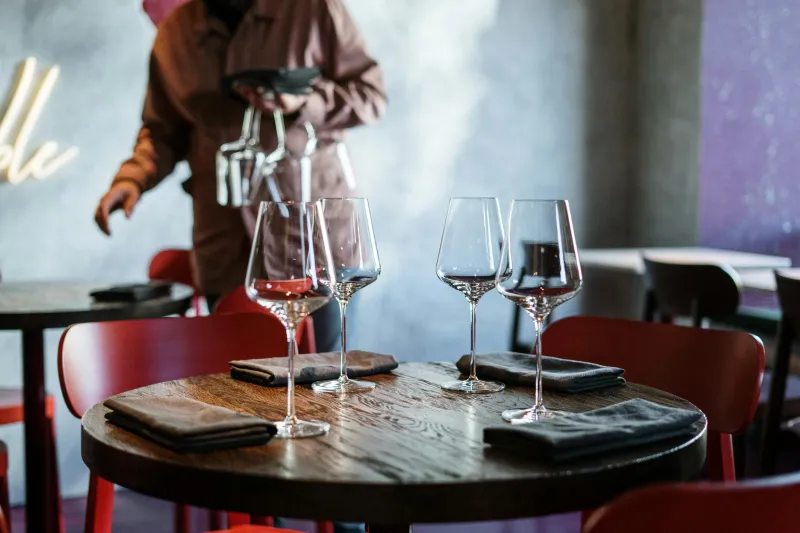
Walk into any British restaurant these days and you'll be confronted with a wine list that reads like a geography exam. Burgundy this, Barolo that, biodynamic something-or-other from a vineyard you can't pronounce, priced to make your eyes water. Meanwhile, across the Channel, half of France is happily sipping house wine that costs less than a pint of London bitter and tastes like liquid sunshine.
Somewhere along the way, we've made wine complicated. We've turned what should be a simple pleasure—a drink to accompany food and conversation—into an anxiety-inducing performance where choosing the wrong bottle feels like failing a test you didn't know you were taking.
The French Have It Right
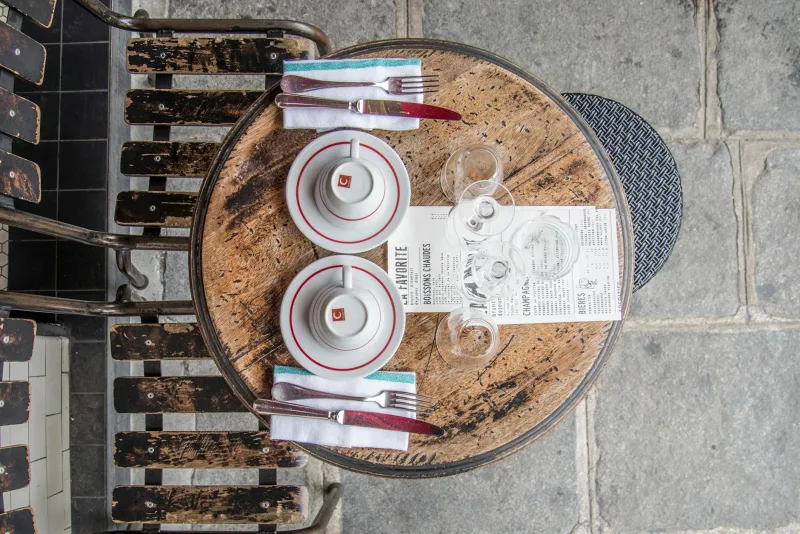
In France, wine is not a lifestyle statement or an investment opportunity. It's what goes on the table alongside the bread and butter. Visit any café from Lyon to Lille and you'll find the same thing: a simple house red, usually served in those chunky glasses that look like they've survived several decades of enthusiastic use, priced at what we'd pay for a soft drink.
This isn't because the French don't appreciate good wine—quite the opposite. It's because they understand something we've forgotten: that wine is meant to be drunk, not discussed to death. The best bottle is often the one you're actually drinking, not the one you're saving for a special occasion that never comes.
The Supermarket Solution
The good news is that Britain's supermarkets are quietly stocked with exactly the sort of honest, unpretentious French wine that makes daily drinking a pleasure rather than a mortgage payment. Tesco's Côtes du Rhône, ASDA's Languedoc reds, even Morrison's own-brand French table wine—these are bottles that would sit happily on any Parisian bistro table.
Yet we walk past them in favour of New World wines with cute animals on the labels or Italian bottles with names that sound like they belong in an opera. There's nothing wrong with these wines, but there's something to be said for the French approach: simple, food-friendly wines that don't shout for attention but quietly make everything taste better.
Learning to Drink Like the French
The secret isn't in the wine itself—it's in how you approach it. French café culture treats wine as part of the meal, not the star of the show. It's there to cleanse the palate between bites of coq au vin, to help the conversation flow over a long lunch, to turn an ordinary Tuesday evening into something worth lingering over.
This means buying wine by the case rather than the bottle, keeping a few bottles open at any time (yes, wine keeps for days once opened, despite what the wine world wants you to believe), and never feeling guilty about drinking a £4 bottle that happens to taste good with your dinner.
The Democracy of Daily Wine
There's something wonderfully democratic about French drinking culture. The businessman and the builder drink the same house wine at lunch. Nobody's checking the vintage or discussing tannin structure—they're too busy enjoying their meal and each other's company.
Contrast this with British wine culture, where we've somehow convinced ourselves that anything under a tenner isn't worth drinking. We've created a hierarchy where wine becomes either a special occasion luxury or a Friday night anaesthetic, with very little middle ground for simple, daily pleasure.
Finding Your House Pour
The French concept of a 'house wine' isn't about settling for something inferior—it's about finding a reliable, affordable bottle that works with most meals and doesn't require a second mortgage. Your local Sainsbury's probably stocks half a dozen French wines under £6 that would serve this purpose perfectly.
Look for simple regional appellations: Côtes du Rhône, Languedoc, basic Bordeaux. These are wines made to be drunk, not pondered. Buy a case, try them with different meals, find one that works, and make it your default. Suddenly you're not choosing wine; you're just reaching for the bottle, French-style.
The Joy of Low Stakes
Perhaps the greatest gift of embracing everyday wine is the freedom from fear. When your Tuesday night bottle costs £5, you can experiment without anxiety. Try it with fish (it might work), pair it with curry (stranger things have happened), serve it slightly chilled on a warm evening (very French, actually).
This playful approach to wine—treating it as a kitchen staple rather than a precious commodity—opens up possibilities. You start cooking with wine because you always have some open. You offer guests a glass without calculating the cost per pour. You discover that wine with breakfast isn't decadent; it's just very, very French.
The Bistro at Home
The ultimate goal isn't to become a wine expert—it's to create the easy conviviality of a French bistro in your own dining room. This means having wine on the table as naturally as you'd have water, treating it as part of the meal rather than a separate consideration.
It means understanding that a £4 bottle of Languedoc rouge with your Wednesday night pasta can transport you further than a £40 bottle saved for 'special occasions' that never quite seem special enough. It means embracing the French philosophy that life is too short for bad wine, but also too short to spend it worrying about whether your wine is good enough.
In the end, the best wine is the one you're actually drinking—preferably with good food, good company, and the quiet confidence that comes from knowing you don't need to apologise for enjoying simple pleasures. The French understood this centuries ago. It's time we caught up.