Five Foundations: The Classical Sauces Every British Kitchen Needs to Master
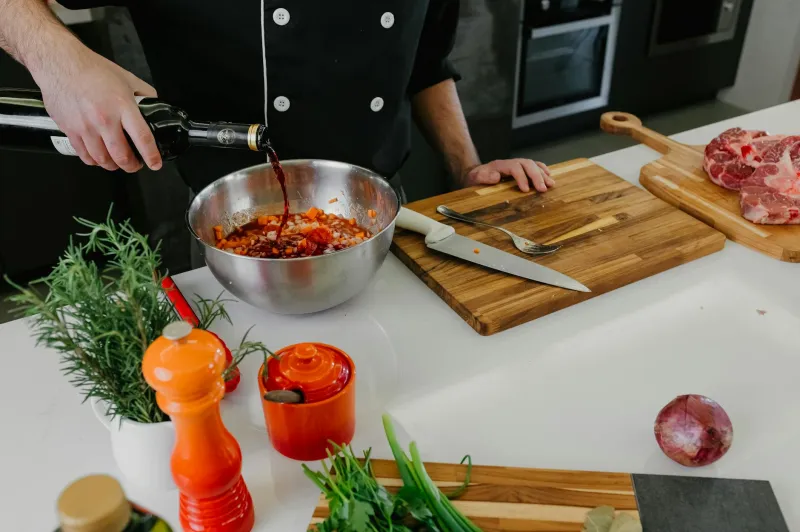
Mention 'French mother sauces' to most British home cooks and watch their eyes glaze over. The phrase conjures images of chef school intimidation, complicated techniques, and ingredients that require a trip to Harrods. But here's the secret the French have known for generations: these five foundational sauces are actually ridiculously simple, and they're the reason French home cooking always seems effortlessly elegant.
Strip away the culinary school mystique, and you'll find that these aren't restaurant tricks – they're weeknight solutions that have been helping French families turn basic ingredients into proper meals for centuries.
The Foundation Myth
First, let's demolish the myth that these sauces are complicated. Auguste Escoffier didn't codify them in the early 1900s because they were complex chef showpieces – quite the opposite. He recognised them as the building blocks that already existed in French home kitchens, the simple bases that could be transformed into dozens of different dishes.
 Photo: Auguste Escoffier, via oh-oui-paris.com
The five mother sauces – béchamel, velouté, espagnole, hollandaise, and sauce tomat – are called 'mothers' because they give birth to countless 'daughter' sauces. Master these five, and you've got the foundation for everything from cheese sauce to béarnaise, from gravy to carbonara.
Béchamel: The Comfort King
Let's start with béchamel, because you probably already know how to make it – you just don't know its posh name. It's white sauce. That's it. Butter, flour, milk, seasoning. The same sauce your grandmother used for cauliflower cheese.
But here's where the French get clever: they use béchamel as the base for dozens of dishes. Add cheese and you've got Mornay sauce for gratins. Stir in mustard for a sauce that transforms leftover ham. Mix in herbs and lemon for something that makes any white fish taste restaurant-worthy.
The key is getting the roux (butter and flour mixture) right. Cook it gently for a couple of minutes to eliminate that raw flour taste, then gradually whisk in warm milk. No lumps, no stress, no drama.
Velouté: The Elegant Cousin
Velouté is béchamel's more sophisticated sibling – instead of milk, you use stock. Chicken stock for poultry dishes, fish stock for seafood, vegetable stock for everything else. The technique is identical: roux plus liquid, whisked until smooth.
This is your secret weapon for transforming weeknight roasts. That tired chicken breast becomes something special when you deglaze the pan with white wine, add a splash of velouté, and finish with herbs. It's the difference between 'dinner' and 'supper'.
Espagnole: The Flavour Powerhouse
Espagnole sounds intimidating, but it's essentially a brown sauce made with brown stock and tomato purée. Think of it as gravy's sophisticated Continental cousin. The traditional version takes hours, but a simplified home version can be ready in thirty minutes.
Start with your roux, but this time cook it until it's golden brown – this gives the sauce its colour and nutty depth. Add brown stock (or even good beef stock cubes if that's what you've got), a splash of tomato purée, and let it simmer until it coats the back of a spoon.
This is your foundation for rich, warming sauces that make winter evenings bearable. Add mushrooms and you've got a sauce that transforms the humblest sausages into something dinner party-worthy.
Hollandaise: The Weekend Treat
Hollandaise has a reputation for being temperamental, but it's really just warm mayonnaise made with butter instead of oil. Yes, it can split if you're heavy-handed with the heat, but the technique is straightforward: egg yolks, lemon juice, and slowly whisked butter.
The secret is gentle heat and patience. Use a double boiler or a bowl over barely simmering water, and add the butter gradually. If it does split (and it probably will the first few times), don't panic – a splash of cold water and vigorous whisking usually brings it back.
Master hollandaise and you've mastered the principle behind béarnaise, beurre blanc, and a dozen other butter sauces that make restaurant food taste like restaurant food.
Sauce Tomat: The Everyday Hero
The fifth mother sauce is often overlooked by British cooks because we think we already know tomato sauce. But proper French tomato sauce isn't the sweet, herb-heavy marinara we're used to – it's a refined, versatile base that can go in dozens of different directions.
Start with a soffritto of onions, carrots, and celery, add good tinned tomatoes, and let it simmer until it's concentrated and rich. This is your base for everything from pasta sauces to braising liquids for vegetables.
The British Application
The beauty of these mother sauces is that they solve the eternal British dinner dilemma: what to do with basic ingredients to make them interesting. That piece of cod becomes special with a velouté finished with herbs. Those leftover vegetables transform into a gratin with béchamel and cheese.
You don't need to make all five sauces every week. Start with béchamel – it keeps in the fridge for days and reheats beautifully. Once that becomes second nature, add velouté to your repertoire. Before you know it, you'll be thinking like a French cook: not 'what shall I make for dinner?' but 'what sauce will make tonight's ingredients sing?'
Beyond the Basics
Once you've mastered the mothers, the daughters become automatic. Béchamel plus cheese equals Mornay. Hollandaise plus herbs equals béarnaise. Velouté plus cream and wine equals supreme sauce. You're not learning hundreds of different techniques – you're learning five foundations and infinite variations.
This is how French home cooks approach their kitchens: with a toolkit of reliable techniques that can transform anything into something delicious. It's not about showing off or following complicated recipes – it's about having the confidence to make any meal special.
The mother sauces aren't museum pieces or restaurant affectations – they're practical solutions that have been tested by generations of home cooks. Master them, and you'll never look at a piece of plain chicken or fish the same way again.