We've all been there. You're settling into a charming French-style café, the atmosphere is perfect, the coffee smells divine, and then—the menu arrives. Suddenly you're staring at a list of dishes that sound delicious but leave you wondering whether a galette is something you eat with a fork or your hands, and what exactly makes a croque-madame different from its monsieur counterpart.
Fear not. French café cuisine isn't designed to intimidate—quite the opposite. These dishes evolved as simple, satisfying solutions for busy café-goers who wanted something delicious without the fuss. Let's demystify the classics so you can order with confidence.
The Croque Family: A Tale of Two Sandwiches
Let's start with the most famous duo in French café history: the croque-monsieur and croque-madame. Both begin with the same foundation—thick slices of pain de mie (similar to our white sandwich bread, but denser), layered with ham and Gruyère cheese, then topped with béchamel sauce and more cheese before being grilled until golden.
The difference? A croque-madame is simply a croque-monsieur topped with a fried egg. The French, with their typical flair for the dramatic, decided that adding an egg transformed the monsieur into a madame. Whether this reflects any deeper cultural commentary is best left to French philosophers.
Both originated in Parisian cafés around 1910 as a quick, hot meal that could be prepared efficiently during busy lunch periods. Today, they remain perfect for any time you want something warming and substantial without the commitment of a full three-course meal.
Quiche: Not Just for Lorraine Anymore
Most Brits know quiche Lorraine—that classic combination of eggs, cream, bacon, and cheese nestled in pastry. But French cafés typically offer several varieties, and understanding the basics helps you navigate the options.
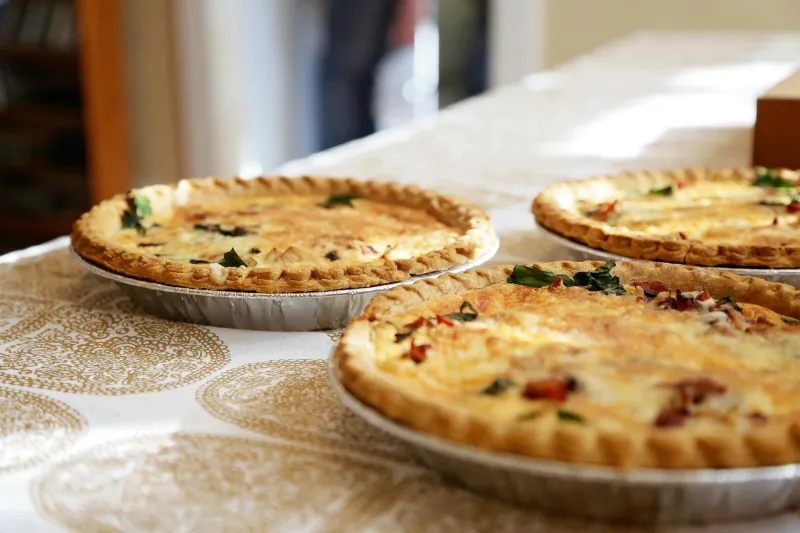
Traditional quiche uses pâte brisée (shortcrust pastry) filled with a custard base of eggs and cream, then combined with various ingredients. Quiche Lorraine remains the gold standard, but you'll often find versions with spinach, mushrooms, goat's cheese, or seasonal vegetables.
The key thing to know? Quiche is served warm or at room temperature, never hot from the oven. This isn't laziness—it allows the custard to set properly and the flavours to meld. A proper French café will never microwave your quiche into molten submission.
Quiche works brilliantly for lunch or a light dinner, especially when paired with a simple green salad dressed with vinaigrette. It's comfort food that doesn't leave you feeling overstuffed.
Galettes vs Crêpes: The Buckwheat Distinction
This confusion trips up many British diners, but the distinction is actually straightforward. Crêpes are made with wheat flour and are typically sweet—think lemon and sugar, Nutella, or fresh fruit. Galettes use buckwheat flour and are traditionally savoury.
Galettes originated in Brittany, where buckwheat grew better than wheat in the region's climate. The slightly nutty, earthy flavour of buckwheat pairs beautifully with ingredients like ham, cheese, mushrooms, or eggs. A classic galette complète contains ham, cheese, and an egg—essentially a French take on a complete meal wrapped in a crispy, lace-edged pancake.
The texture differs too. Galettes tend to be thinner and more delicate than their sweet counterparts, with edges that crisp up beautifully during cooking. They're typically folded into squares rather than rolled, creating neat parcels that are easy to eat with a knife and fork.
Timing matters with galettes. They're traditionally lunch or dinner fare, whilst sweet crêpes often appear as desserts or afternoon treats.
Tartines: The Open-Faced Revolution
Tartines might look like fancy toast, but they represent something more significant—the French approach to maximising flavour with minimal fuss. A tartine starts with good bread (usually a slice of pain de campagne or sourdough) topped with carefully chosen ingredients.
Unlike British toast, tartines aren't about speed or convenience. The bread is often lightly toasted or grilled, then topped with combinations like goat's cheese and honey, rillettes and cornichons, or seasonal vegetables with herbs.
Tartines work for any meal. At breakfast, you might find them topped with butter and jam. For lunch, expect more substantial combinations with cheese, charcuterie, or vegetables. They're designed to be eaten with a knife and fork, allowing you to savour each component.
Soup and Salad: Simple but Sophisticated
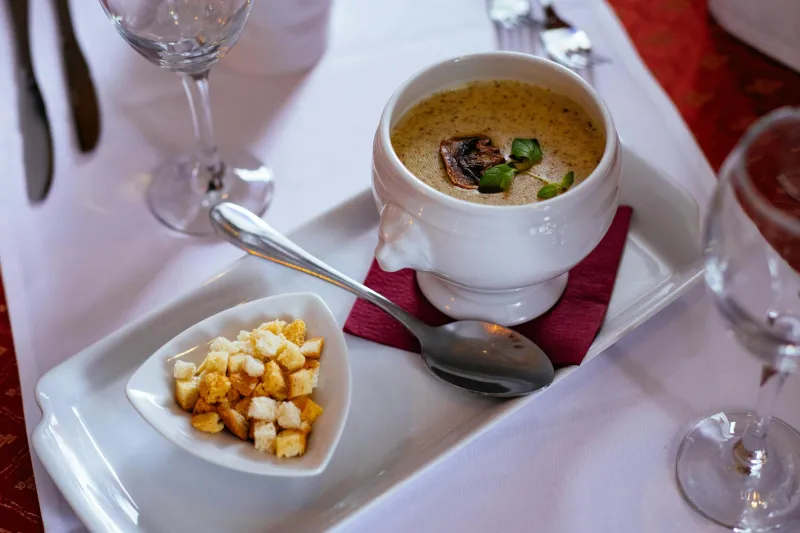
French café soups deserve special mention because they differ significantly from British pub soups. French onion soup, obviously, reigns supreme—but notice how it's served. The cheese should be properly gruyère, melted and slightly caramelised on top. The onions should be deeply caramelised, creating a rich, sweet base that balances the beef stock.
Salads, too, follow different principles. A salade niçoise should contain specific ingredients—tomatoes, hard-boiled eggs, anchovies, olives, and tuna, but never lettuce in the traditional version. The dressing will be simple: good olive oil, vinegar, salt, and pepper. No complicated vinaigrettes or creamy dressings masking the ingredients.
Timing Your Order Like a Local
Understanding when to order what can elevate your French café experience. Croissants and pain au chocolat are breakfast items—ordering them at 3 PM marks you as a tourist. Similarly, heavy dishes like cassoulet or coq au vin belong to dinner service, not lunch.
Lunch typically features lighter fare: salads, tartines, quiche, or a simple omelette. The famous French two-hour lunch break exists partly because meals are meant to be savoured, not rushed.
Afternoon treats might include a simple crêpe or a slice of tarte tatin with coffee. Evening brings heartier options and, of course, the apéritif hour.
Confidence Over Perfection
The most important thing to remember? French café culture celebrates the pleasure of good food shared in good company. No one expects you to pronounce everything perfectly or know every regional variation.
What matters is approaching the experience with curiosity rather than anxiety. Ask questions, try something new, and remember that even the most sophisticated French dishes started as simple solutions to everyday hunger. The complexity comes from caring about quality ingredients and proper technique, not from trying to intimidate diners.
So next time you're faced with a French café menu, take a breath, remember these basics, and dive in. The worst that can happen is you'll discover a new favourite dish.