The Pause That Refreshes
Picture this: you've just polished off a lovely Sunday roast, and someone suggests pudding. In Britain, we'd likely dive straight into the sticky toffee or apple crumble. But imagine, instead, taking a moment to savour something entirely different—a carefully curated selection of cheeses, perhaps with a glass of red wine and some crusty bread. This isn't some posh affectation; it's how the French have been ending meals for centuries, and it might just be the most civilised tradition we've yet to properly adopt.
More Than Just Dairy
The French cheese course isn't simply about finishing off whatever's lurking in the fridge. It's a deliberate pause between the main meal and dessert—or sometimes, a sophisticated alternative to pudding altogether. This tradition recognises that our palates need time to transition, and that cheese, with its complex flavours and textures, deserves proper attention rather than being relegated to a hasty sandwich filling.
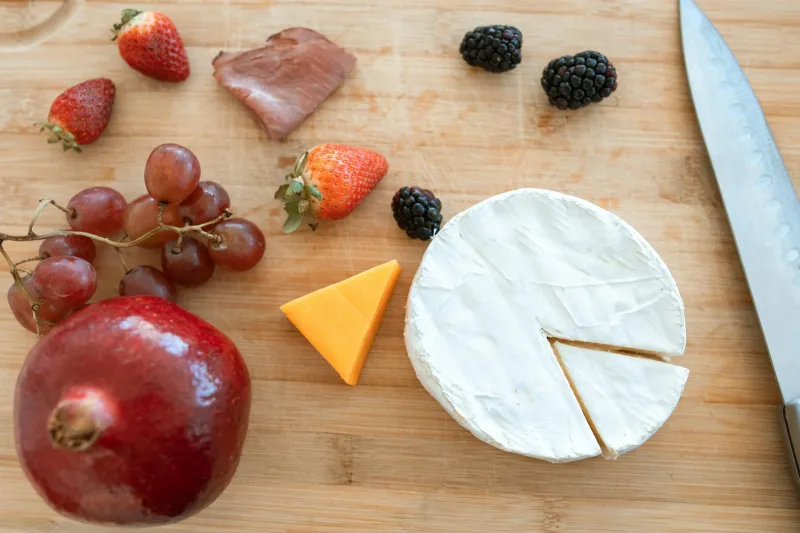
In France, the plateau de fromages is treated with the same reverence we might reserve for a fine wine selection. There's an art to it: the right combination of textures (soft, semi-hard, hard), milk types (cow, goat, sheep), and flavour profiles (mild, sharp, pungent). It's not about quantity—three to five carefully chosen varieties are plenty—but about creating a journey for your taste buds.
The British Missed Opportunity
We Brits have always had a complicated relationship with cheese. We produce some absolute crackers—your Stiltons, Cheddars, and Wensleydales—yet we've somehow convinced ourselves that cheese belongs either on toast or in a ploughman's lunch. The idea of treating it as a proper course, worthy of its own moment in the meal, feels almost revolutionary.
Part of this stems from our dining culture, which tends to favour efficiency over lingering. We're brilliant at many things, but we've never quite mastered the art of stretching a meal into an experience. The French understand that eating isn't just about nutrition—it's social, cultural, almost ceremonial. The cheese course embodies this philosophy perfectly.
Building Your British Plateau
The good news? You don't need to trek to a Parisian fromagerie to create a proper cheese course. British supermarkets have upped their game considerably, and most now stock decent French varieties alongside our own excellent offerings. Start with the classics: a creamy Camembert or Brie for your soft cheese, perhaps a nutty Comté or aged Cheddar for something firmer, and maybe a punchy Roquefort or Stilton for those who appreciate a bit of bite.
The key is balance. You want cheeses that complement rather than compete with each other. Think of it like curating a playlist—you wouldn't put three heavy metal songs back to back, and similarly, three strong blue cheeses would overwhelm the palate.
The Ritual Matters
Presentation isn't about being fancy; it's about showing respect for the ingredients. A wooden board works beautifully, but a large plate will do just fine. Arrange your cheeses with space between them, add some fresh or dried fruit (grapes and figs are classics), perhaps some nuts, and always include good bread or crackers that won't overpower the cheese.
Temperature is crucial—cheese served straight from the fridge is doing nobody any favours. Take your selection out at least 30 minutes before serving to let the flavours develop properly. This waiting period also builds anticipation, turning the cheese course into an event rather than an afterthought.
Wine Not?
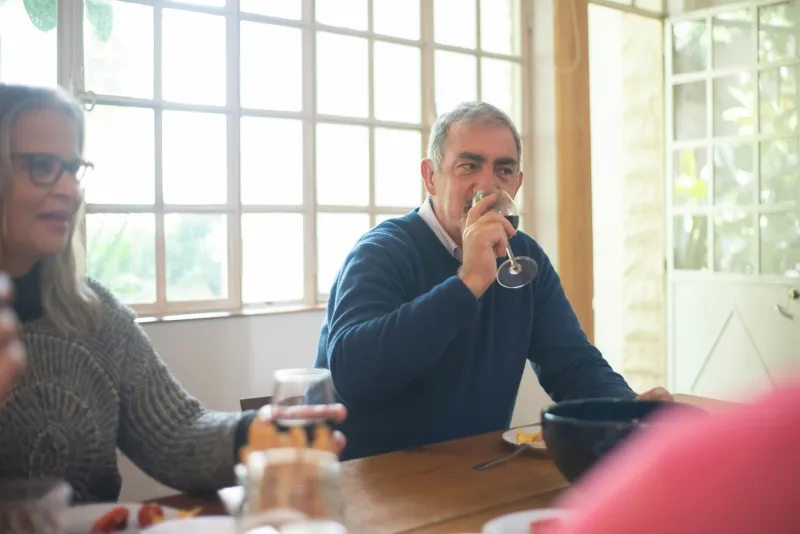
The French rarely serve cheese without wine, and they're onto something. The combination isn't just pleasant—it's transformative. Red wine is traditional, but don't feel constrained. A crisp white can work beautifully with goat's cheese, while a sweet dessert wine pairs magnificently with blue cheese. Even a good ale can work wonders with a sharp Cheddar.
Making It Stick
The beauty of adopting the French cheese course tradition is its flexibility. It works equally well for a casual family dinner or a dinner party. You're not committing to hours of preparation—good cheese, properly presented, largely speaks for itself.
Start small. Next time you're having people over, skip the elaborate pudding and try a simple cheese selection instead. Watch how it changes the rhythm of your evening. Suddenly, people aren't rushing off to clear plates or wondering if they've got room for dessert. They're lingering, talking, savouring.
The Continental Conclusion
The French cheese course represents something we could all use more of: the idea that meals are meant to be savoured, not rushed. It's about taking time to appreciate quality ingredients and good company. In our increasingly frantic world, adopting this one simple tradition could be the key to more civilised, enjoyable dining.
So next time you're planning a meal, consider ending it the French way. Your guests—and your taste buds—will thank you for it. After all, life's too short for bad cheese, and too precious to rush through the good stuff.