Walk into any French home, peer into their larder, and you'll discover something remarkable: the same ten ingredients appear time and again, quietly working their magic in everything from weeknight suppers to Sunday feasts. These aren't exotic treasures requiring a pilgrimage to specialist shops – they're the workhorses of French cuisine, and most are sitting right there on British supermarket shelves, waiting to revolutionise your cooking.
The Magic of Mustard: Beyond the Yellow Squeeze Bottle
Dijon mustard isn't just a condiment in France – it's a cooking companion. Unlike the sweet, mild mustards we Brits grew up with, proper Dijon brings a sharp, wine-kissed complexity that transforms everything it touches. Stir a teaspoon into salad dressings for instant sophistication, whisk it into cream sauces to cut through richness, or slather it under the skin of a roasting chicken for that je ne sais quoi.
You'll find decent Dijon in every major supermarket now, from Tesco's own-brand to Maille. The key is looking for that telltale pale yellow colour and reading the ingredients – proper Dijon uses white wine, not vinegar.
Crème Fraîche: The Cream That Changed Everything
Whilst we've been reaching for double cream or sour cream, the French have been quietly perfecting meals with crème fraîche. This slightly tangy, impossibly smooth cream doesn't split when heated, making it perfect for finishing sauces, dolloping onto soups, or folding into scrambled eggs for that Parisian café texture.
Sainsbury's, Waitrose, and even Aldi stock excellent crème fraîche these days. Once you start using it, you'll wonder how you ever managed without it.
Herbes de Provence: Sunshine in a Jar
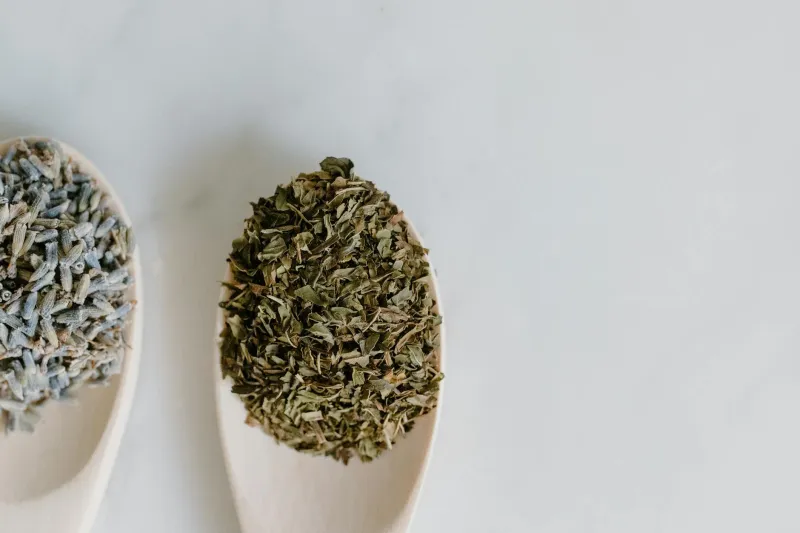
This aromatic blend of dried herbs – typically thyme, rosemary, oregano, and lavender – captures the essence of the French countryside. Sprinkle it over roasted vegetables, rub it into lamb before roasting, or stir it into olive oil for an instant marinade. The lavender might sound odd, but it adds a floral note that makes everything taste more... well, French.
Most supermarkets stock herbes de Provence, though the quality varies. Look for blends with visible lavender buds – they're usually the real deal.
Cornichons: The Little Pickles with Big Impact
These tiny, tart gherkins are the unsung heroes of French cuisine. They cut through rich foods like nobody's business – essential alongside pâté, brilliant with cheese, and absolutely vital in a proper salade niçoise. They're also the secret weapon in many French sauces, adding acidity and crunch.
You'll find them in the pickle aisle of most supermarkets, often lurking near the capers. Don't confuse them with regular gherkins – cornichons are smaller and more intensely flavoured.
Capers: Mediterranean Magic
Speaking of capers, these little flavour bombs deserve a permanent spot in every British kitchen. They bring a briny, almost lemony punch that elevates everything from pasta sauces to fish dishes. The French scatter them through salads, fold them into butter for fish, and use them to brighten heavy winter stews.
Most supermarkets stock capers in brine, which work perfectly. Just give them a quick rinse before using to remove excess saltiness.
Shallots: The Sophisticated Onion
Whilst we Brits often default to regular onions, the French reach for shallots. These purple-skinned beauties are milder and sweeter, with a subtle complexity that regular onions can't match. They're essential for proper vinaigrettes, elegant in cream sauces, and absolutely crucial for classic French dishes like coq au vin.
Every major supermarket stocks shallots now, usually near the regular onions. They keep well and are worth the small premium over regular onions.
Tarragon: The Herb That Tastes Like France
If France had a signature herb, it would be tarragon. This anise-scented green transforms simple dishes into something special. It's magical with chicken, essential in béarnaise sauce, and turns a basic omelette into something café-worthy. Fresh is best, but dried tarragon still brings that distinctive French flavour.
Fresh tarragon appears in most supermarkets' herb sections, whilst dried versions live with the other herbs and spices.
Good Butter: The Foundation of Everything
French cooking is built on proper butter – the kind with a high fat content and rich, creamy flavour. Whilst British butter has improved dramatically, seeking out French-style or European-style butter makes a noticeable difference in cooking. Look for butter with at least 82% fat content.
Waitrose, Sainsbury's, and other upmarket chains stock excellent European-style butters, whilst even budget supermarkets now offer premium butter options.
White Wine Vinegar: The Gentle Giant
French cooks swear by white wine vinegar for its clean, mild acidity. It's gentler than malt vinegar but more complex than distilled white vinegar, making it perfect for salad dressings, deglazing pans, and brightening sauces without overwhelming them.
Every supermarket stocks white wine vinegar, usually in the condiments aisle alongside other vinegars.
Sea Salt: The Final Touch
The French understand that not all salt is created equal. Good sea salt – whether fine for cooking or flaky for finishing – makes everything taste better. It's worth investing in proper sea salt for that clean, mineral taste that elevates both simple and complex dishes.
From Maldon sea salt to French fleur de sel, most supermarkets now stock excellent sea salts at various price points.
Making It Work in British Kitchens
The beauty of these ingredients lies not in their exoticism, but in their versatility. They slip seamlessly into British cooking, elevating familiar dishes whilst opening doors to new ones. Start with two or three – perhaps Dijon mustard, crème fraîche, and herbes de Provence – and gradually build your French pantry.
Within weeks, you'll find yourself cooking with more confidence and flavour, creating meals that taste like they've been touched by French magic. Because sometimes, the best way to bring France to Britain isn't through complicated techniques or expensive ingredients – it's through understanding that great cooking often comes down to having the right basics to hand.