The Great Outdoors Deserves Better
Drive through the French countryside on any summer afternoon and you'll witness something remarkable: families gathered around proper tablecloths spread on grass verges, sharing bottles of wine and platters of food that wouldn't look out of place in a restaurant. Meanwhile, we're huddled in British car parks, unwrapping pre-made sandwiches from petrol station meal deals.
This isn't about having more money or more time—it's about a fundamentally different approach to eating outdoors. Where we see picnics as a compromise, a lesser version of 'proper' eating, the French see an opportunity to create something special.
The Roadside Revelation
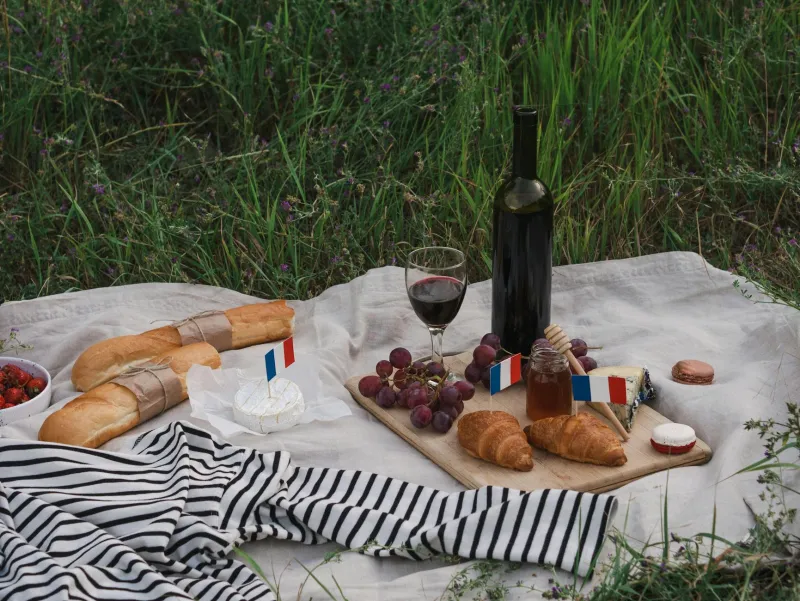
The difference becomes clear the moment you witness a French family's impromptu roadside lunch. Out comes a wicker basket—not a plastic bag—containing a proper baguette, several varieties of cheese, perhaps some jambon de Bayonne or saucisson sec, a bottle of wine, real plates, and actual cutlery. Within minutes, they've created a dining experience that puts our service station sandwiches to shame.
This isn't showing off; it's simply how they approach food. The location might change, but the standards don't. A meal eaten on a blanket beside the Loire Valley deserves the same care and attention as one enjoyed at the kitchen table.
Beyond the Sandwich Box
British picnic culture has somehow convinced itself that outdoor eating must be synonymous with compromise. We've accepted that food eaten outside should be pre-wrapped, pre-made, and thoroughly disappointing. Sandwiches curling at the edges, crisps that have lost their crunch, and fruit that's either too hard or too soft.
The French approach is refreshingly different. They understand that the pleasure of eating outdoors comes not from convenience, but from the ritual of sharing good food in beautiful surroundings. It's about creating a moment, not just filling a stomach.
The Proper Picnic Kit
Transforming your outdoor eating starts with equipment. Invest in a proper picnic basket—not because it looks Instagram-worthy, but because it protects food and makes the experience feel intentional. Include real plates and glasses; drinking wine from plastic cups diminishes both the wine and the moment.
A sharp knife is essential—not for safety reasons, but for cutting cheese and bread properly. French picnickers understand that presentation matters, even when your dining room is a field. A wheel of Camembert looks inviting; pre-cut cheese triangles in plastic look like giving up.
The Art of Portable Luxury
The secret to French-style picnicking lies in choosing foods that travel well while maintaining their integrity. A good pâté doesn't need refrigeration for a few hours and tastes infinitely better than processed sandwich meat. A ripe Brie or Roquefort provides more satisfaction than a pre-packaged cheese string.
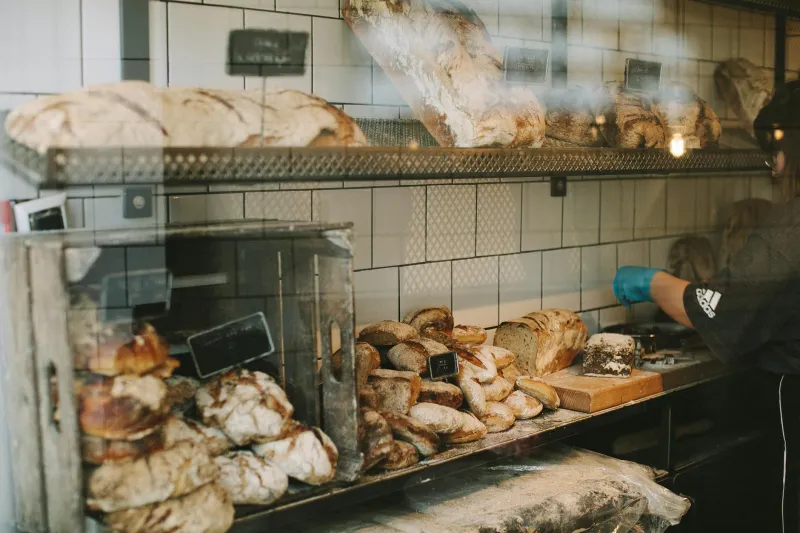
Bread is crucial—a proper baguette from your local bakery transforms any outdoor meal. It's worth the extra effort to seek out real bread rather than settling for sliced white. The crust protects the interior, meaning it travels better than you might expect.
Liquid Sophistication
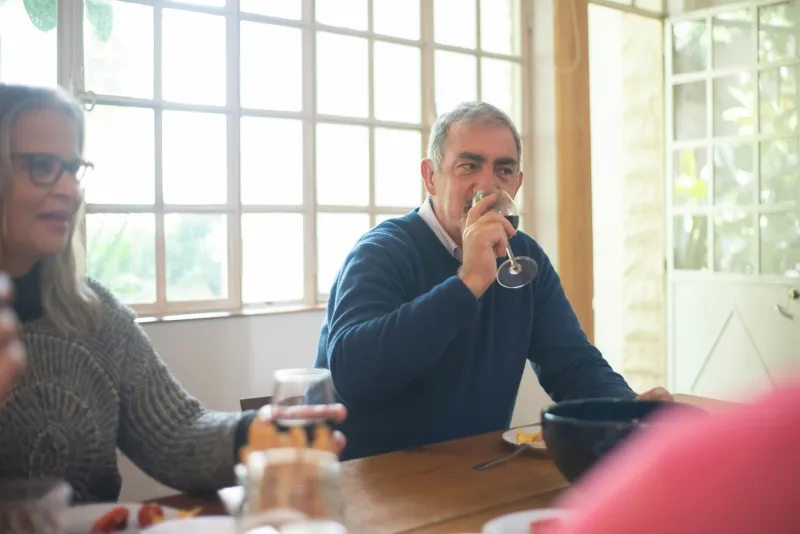
The French understand that what you drink outdoors matters as much as what you eat. A chilled bottle of Sancerre or a light Beaujolais elevates the entire experience. If wine feels too ambitious, consider a good sparkling water with lemon, or even a proper coffee from a thermos rather than instant granules.
The key is intentionality. Choose your drinks as carefully as you would for guests at home. The outdoor setting doesn't diminish the occasion; it enhances it.
Seasonal Sensibility
French picnic culture adapts to the seasons in ways that British outdoor eating rarely does. Spring calls for fresh asparagus, early strawberries, and young cheeses. Summer brings tomatoes, stone fruits, and rosé. Autumn means apple tarts, mature cheeses, and heartier wines.
This seasonal awareness transforms outdoor eating from a summer-only activity into a year-round pleasure. A winter picnic might feature a thermos of soup, crusty bread, and a flask of mulled wine—still a proper meal, just adapted to the weather.
The Social Element
Perhaps most importantly, French outdoor eating is inherently social. It's about conversation, lingering, and making the meal last. This stands in stark contrast to the British tendency to eat quickly and pack up as soon as possible.
The French picnic pace is deliberate: time to arrange the food properly, time to appreciate the surroundings, time to enjoy each other's company. It's a reminder that eating outdoors shouldn't feel rushed or apologetic.
Making It Happen
Adopting this approach doesn't require moving to Provence or spending a fortune on specialist equipment. Start with your next weekend trip to the countryside. Pack a proper lunch: good bread, decent cheese, perhaps some charcuterie from the deli counter. Include real plates and a bottle of something special.
Find a spot with a view—even if it's just a local park—and take the time to arrange everything properly. Eat slowly, appreciate the surroundings, and resist the urge to pack up the moment you've finished eating.
The Picnic Transformation
Once you've experienced eating outdoors the French way, there's no going back to soggy sandwiches and plastic cutlery. The difference isn't just in the food—it's in the entire approach to outdoor dining. It's about recognising that beautiful surroundings deserve beautiful food, and that a meal eaten under an open sky can be every bit as memorable as one enjoyed in the finest restaurant.
The British countryside is every bit as beautiful as France's; it's time our outdoor eating matched the setting.