Open and Honest: Why the French Tartine Is the Future of British Lunch
Walk into any Pret a Manger at lunchtime and you'll witness a peculiar British ritual: hundreds of people queuing to buy sandwiches that taste of disappointment and regret. Meanwhile, across the Channel, the French have been quietly perfecting something infinitely superior: the tartine. It's time we paid attention.
The Honest Sandwich
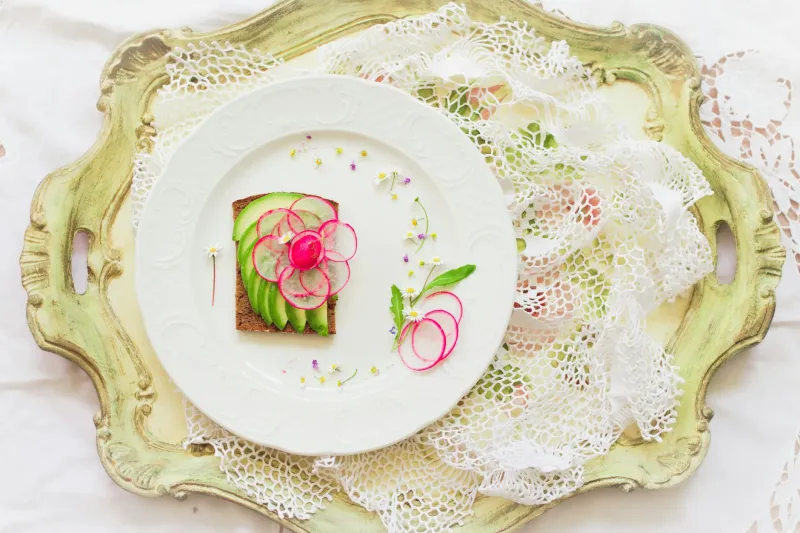
A tartine is what happens when you strip away all the nonsense from the modern sandwich and get back to basics. One piece of good bread, properly topped, eaten without shame or the need to hide ingredients between two slices of industrial white bread. It's refreshingly honest food — what you see is exactly what you get.
The word itself comes from the verb 'tartiner,' meaning to spread, and that's precisely what makes it so appealing. There's no architectural engineering required, no structural integrity concerns about whether your lunch will collapse before you've finished eating it. Just good bread as the foundation for whatever delicious things you can pile on top.
Why Britain's Sandwich Culture Has Lost Its Way
Somewhere along the way, British lunch became about efficiency rather than enjoyment. The sandwich evolved from a simple pleasure into a fuel delivery system, designed to be consumed quickly while checking emails or rushing between meetings. We've prioritised portability over flavour, convenience over craft.
The typical meal deal sandwich is a masterclass in compromise — soggy bread, anaemic fillings, and that peculiar British habit of adding butter to everything whether it needs it or not. It's food designed by committee, optimised for shelf life rather than taste. The French tartine represents everything our lunch culture has forgotten: that even a quick midday meal should be something to savour.
The Tartine Philosophy
What makes the tartine so appealing is its democratic nature. It works just as well with humble ingredients as with expensive ones. A simple tartine of good butter and radishes with a sprinkle of sea salt is as satisfying as something topped with smoked salmon and crème fraîche. The key is quality over complexity.
This approach suits British sensibilities perfectly. We're a nation that appreciates good bread (when we can find it), understands the importance of proper butter, and has a growing appreciation for simple, well-made food. The tartine tradition offers all of this without the pretension that sometimes accompanies French cuisine.
Classic Combinations Worth Stealing
The French have spent generations perfecting tartine combinations, and many translate beautifully to British ingredients. The classic tartine de chèvre — goat's cheese with honey and walnuts — works brilliantly with British goat's cheese from Somerset or Wales. Spread it on a slice of good sourdough and you've got something infinitely more satisfying than a limp cheese and pickle sandwich.
For something more substantial, try the tartine Lyonnaise: fried lardons, a poached egg, and a handful of bitter leaves on toasted pain de campagne. It's essentially a deconstructed British breakfast, but somehow more elegant and definitely more photogenic.
The beauty of rillettes — that wonderful French preserved meat paste — becomes clear when spread thickly on crusty bread with cornichons and mustard. It's like the sophisticated French cousin of potted meat, and it makes for a lunch that actually tastes like something.
The British Tartine Revolution
The good news is that Britain is finally catching on. Independent bakeries are starting to offer tartines alongside their usual sandwich selection, and the ingredients for making them at home are increasingly available in mainstream supermarkets.
Morrisons now stocks proper French butter, Waitrose has an impressive selection of artisanal breads, and even Tesco carries decent pâtés and terrines. The building blocks for a proper tartine lunch are there; we just need to start putting them together.
Making Tartines at Home
The key to a good tartine starts with the bread. Forget the standard sliced white and invest in something with character — a sourdough, a seeded wholemeal, or even a good rye. The bread should be substantial enough to hold the toppings without becoming soggy, but not so dense that it overwhelms everything else.
Toasting is optional but often advisable, especially if you're using softer toppings. A light toasting gives the bread structure and adds another layer of flavour. The French often rub the toast with a cut clove of garlic — a simple trick that adds depth without overwhelming the other ingredients.
Beyond the Lunch Box
What's particularly appealing about the tartine is its versatility. It works equally well as a quick breakfast, a light lunch, or an evening snack with a glass of wine. It's food that adapts to your schedule rather than dictating it.
For breakfast, try the classic French combination of good butter and jam on toasted brioche, or embrace the British love of marmalade on a thick slice of sourdough. For evening entertaining, arrange a selection of tartines on a wooden board with different toppings — it's infinitely more interesting than a cheese board and requires no special equipment.
The Social Aspect
Perhaps most importantly, the tartine encourages a different relationship with lunch. It's harder to eat mindlessly while staring at a screen, and it naturally slows down the eating process. The French understand that even a quick lunch should be a moment of pleasure rather than just refuelling.
This shift in approach could be exactly what British lunch culture needs. Instead of grabbing a sandwich and eating it at our desks, the tartine invites us to take a proper break, to pay attention to what we're eating, and to remember that lunch should be one of the day's small pleasures.
The tartine isn't just a different way of eating bread and toppings — it's a different philosophy about food and time. And frankly, it's about time we gave it a try.