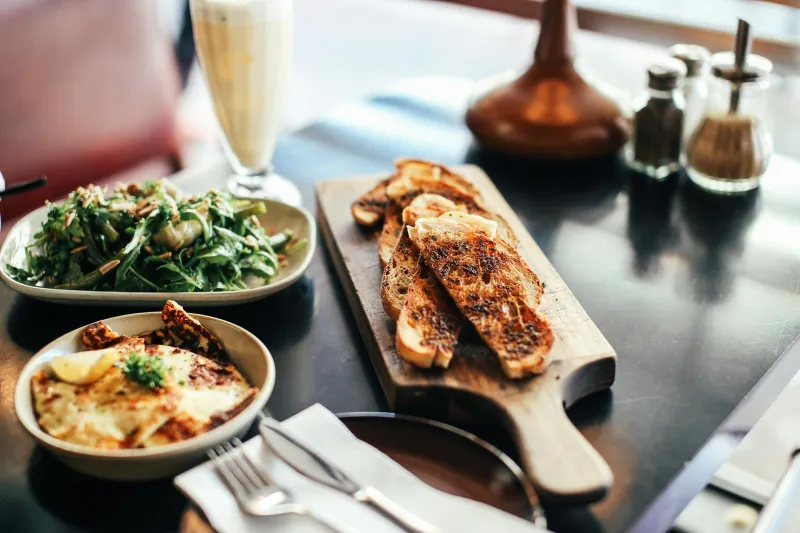
Walk into any decent Parisian café at lunchtime, and you'll witness something remarkable: grown adults queuing up for what appears to be nothing more than a glorified cheese toastie. Yet there's something undeniably sophisticated about watching a waiter glide past your table carrying a golden, bubbling croque-monsieur on a proper plate, accompanied by a small salad and perhaps a glass of crisp white wine.
It's a scene that feels quintessentially Continental – and one that British high streets have largely failed to embrace. While we've perfected the art of the meal deal and elevated the humble sandwich to new heights, we've somehow overlooked one of France's greatest contributions to casual dining: the croque-monsieur.
More Than Just a Fancy Toastie
To dismiss the croque-monsieur as merely an upmarket cheese toastie would be like calling coq au vin a posh chicken dinner. Yes, at its heart, it's bread, ham, and cheese under the grill – but the execution makes all the difference.
The magic lies in the béchamel sauce, that silky white sauce that transforms the entire affair from student food into something worthy of a proper lunch break. Unlike the butter-heavy approach of most British toasties, the béchamel creates a creamy, luxurious coating that melds the flavours together whilst preventing the bread from becoming soggy.
Authentic versions use proper jambon blanc – that delicate, lightly salted ham that's worlds apart from the processed stuff you'll find in most UK supermarkets. The cheese, traditionally Gruyère, brings a nutty complexity that makes mature cheddar seem one-dimensional by comparison.
A Brief History of Café Culture
The croque-monsieur first appeared on Parisian café menus in the early 1900s, born from the same practical needs that gave us the British sandwich: busy people wanted something quick, satisfying, and portable. But where British sandwich culture embraced variety and convenience, French café culture elevated the concept through technique and quality ingredients.
The name itself – literally "mister crunch" – hints at the textural contrast that makes the dish so appealing. That golden, slightly crispy top giving way to molten cheese and tender ham, all supported by good bread that's been properly toasted rather than merely warmed.
It's telling that whilst Britain developed an entire industry around pre-packaged sandwiches, France stuck with made-to-order café classics. The croque-monsieur embodies this philosophy: it cannot be mass-produced or pre-wrapped. It demands attention, proper equipment, and a willingness to wait whilst it's prepared fresh.
Why British High Streets Need This Revolution
Wander down any British high street at lunchtime, and you'll find an abundance of choice – but precious little soul. Chain restaurants offer standardised comfort, whilst independent cafés often struggle to differentiate themselves from the Pret-a-Manger model of grab-and-go efficiency.
The croque-monsieur represents something different: slow food that isn't pretentious, café culture that doesn't require a mortgage-sized budget. It's the sort of lunch that encourages you to sit down, perhaps order a glass of something, and actually take a proper break from your day.
This isn't about importing French snobbery – it's about recognising that lunch can be both convenient and civilised. The few British establishments that do serve proper croque-monsieurs report that customers linger longer, order more drinks, and return more frequently. It's the difference between fuelling up and dining, even if only for half an hour.
Mastering the Art at Home
For those inspired to bring a bit of Parisian café culture into their own kitchen, the croque-monsieur is surprisingly achievable. The key lies in understanding that this isn't about speed – it's about technique.
Start with proper bread: a good white loaf with some structure, sliced thickly enough to support the toppings but not so thick it becomes unwieldy. Pain de mie is traditional, but a decent white bloomer will do admirably.
The béchamel needn't be intimidating. A simple roux of butter and flour, whisked with warm milk until smooth, seasoned with salt, white pepper, and perhaps a whisper of nutmeg. It should coat the back of a spoon but remain pourable.
Assembly is crucial: a thin layer of béchamel on the bread, then the ham (buy the best you can afford), followed by grated Gruyère, then more béchamel on top. Under a hot grill until golden and bubbling.
The Croque-Madame Alternative
For weekend brunches or more substantial lunches, consider the croque-madame – essentially the same dish crowned with a fried egg. The runny yolk transforms the entire experience, adding richness and turning a light lunch into something more substantial.
This version works particularly well with British sensibilities, bridging the gap between Continental sophistication and our love of a proper cooked breakfast.
A Call for Café Culture
Perhaps it's time British cafés looked beyond flat whites and avocado toast for inspiration. The croque-monsieur represents everything our lunch culture could be: sophisticated without being stuffy, indulgent without being excessive, quick without being rushed.
In an age of meal deals and desk dining, there's something revolutionary about a dish that demands to be eaten hot, fresh, and preferably whilst seated. It's a small act of rebellion against the tyranny of convenience – and one that might just make our lunch breaks a little more civilised.
After all, if we can embrace the croissant and colonise the cappuccino, surely there's room on British high streets for the greatest grilled sandwich ever invented?