The Great British Afternoon Crash
Every day around half past three, something dreadful happens in offices, schools, and homes across Britain. Energy levels plummet. Concentration wavers. We reach for another cup of builder's tea and perhaps a sad biscuit from the communal tin, then wonder why we feel worse rather than better.
Meanwhile, across the Channel, the French have been quietly perfecting a solution to this universal human problem for centuries. They call it le goûter, and it's about time we paid attention.
More Than Just a Snack
The goûter isn't merely eating something at four o'clock — it's a proper pause, a moment of mindful indulgence that acknowledges what our bodies have been trying to tell us all along. That mid-afternoon dip isn't a character flaw; it's biology. Our blood sugar naturally drops, our cortisol levels shift, and our brains start demanding fuel.
France's answer? Embrace it completely.
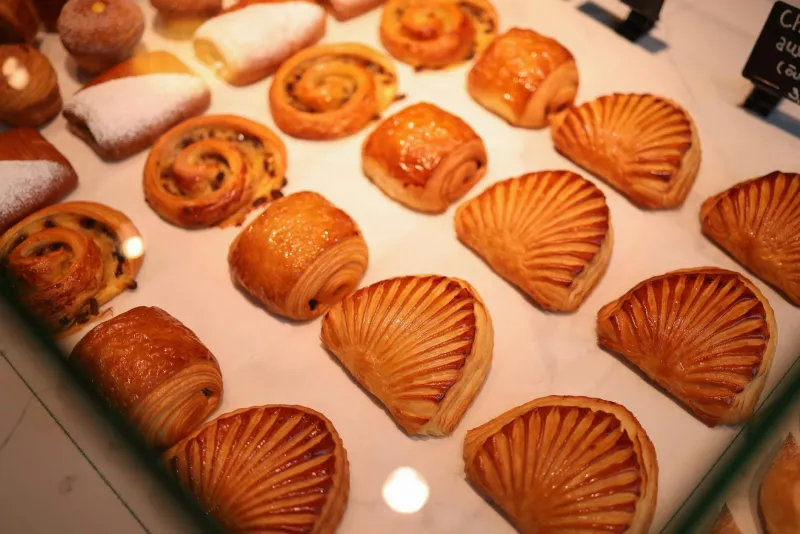
Walk past any French pâtisserie around four o'clock and you'll witness a beautiful ritual. Schoolchildren clutch warm pain au chocolat, their faces smeared with buttery pastry crumbs. Office workers emerge with paper bags containing madeleines or a slice of quatre-quarts. Parents collect their little ones with promises of tartines spread thick with Nutella or confiture.
This isn't mindless snacking — it's structured pleasure.
The Lost Art of British Tea Time
Britain once understood this concept intimately. Our afternoon tea tradition, with its delicate sandwiches and proper china, was the envy of the civilised world. But somewhere along the way, we lost the plot. Afternoon tea became either a tourist attraction or a special occasion, leaving ordinary Tuesday afternoons bereft of ceremony.
The French never made this mistake. They kept their goûter democratic, daily, and decidedly unglamorous. No bone china required — just good food eaten at the right moment.
What Makes a Proper Goûter
Authentic goûter fare follows certain unwritten rules. It should be sweet enough to satisfy that afternoon craving, substantial enough to bridge the gap to dinner, and comforting enough to provide a moment of genuine pleasure in an otherwise ordinary day.
Pain au chocolat remains the undisputed king — those flaky layers wrapped around dark chocolate provide the perfect combination of carbohydrates and cocoa to reset your afternoon. But the goûter repertoire extends far beyond this classic.
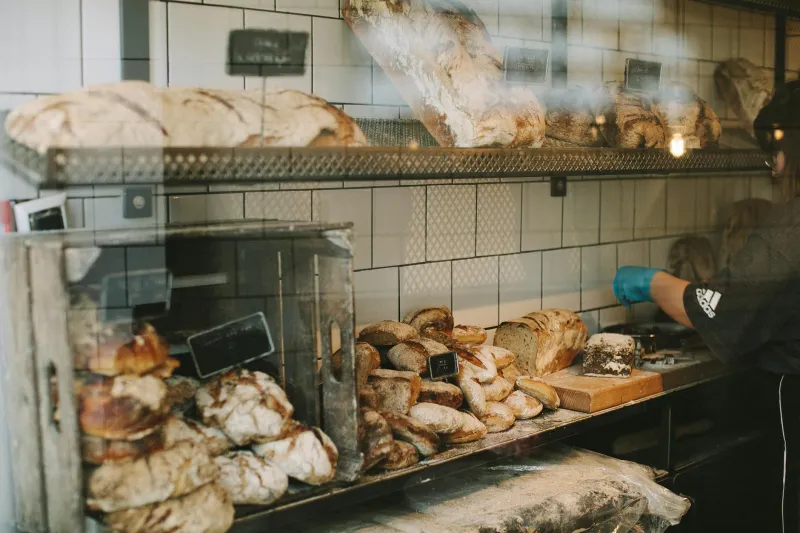
Madeleines, those shell-shaped sponge cakes that Proust made famous, offer a more delicate option. Their subtle lemon flavour and tender crumb make them ideal for dunking in coffee or tea. Meanwhile, tartines — simply good bread topped with something delicious — represent the goûter at its most democratic. Butter and jam, chocolate spread, or even a slice of cheese can transform a humble piece of baguette into afternoon salvation.
The Science of Strategic Snacking
Modern research supports what the French have long understood intuitively. Strategic mid-afternoon eating can actually improve productivity, mood, and overall wellbeing. The key lies in timing and choice.
Eating something substantial around 4 PM helps stabilise blood sugar levels, preventing the energy crash that typically strikes an hour later. This, in turn, makes us less likely to overeat at dinner or reach for unhealthy evening snacks.
The French goûter typically contains a balance of quick-release sugars for immediate energy and slower-burning carbohydrates to sustain you until dinner. It's nutritional wisdom disguised as indulgence.
Bringing Goûter to Britain
Adopting the goûter doesn't require a complete lifestyle overhaul. Start small. Instead of that third cup of coffee and a handful of whatever's lurking in your desk drawer, try planning your four o'clock moment.
Visit your local bakery — and yes, even Britain now boasts proper boulangeries in many towns — and select something special for your afternoon pause. If you're making it at home, keep it simple: good bread, real butter, quality jam. Or try your hand at madeleines — they're surprisingly straightforward to make and fill your kitchen with the most wonderful vanilla-scented steam.
The crucial element isn't what you eat, but how you eat it. The goûter demands presence. Put down your phone, step away from your computer, and give yourself ten minutes of genuine break time.
A Cultural Revolution, One Croissant at a Time
Imagine British workplaces where the afternoon slump was met not with another instant coffee but with a proper pause. Picture school children learning that food can be both pleasurable and purposeful. Envision a society that builds small moments of joy into the ordinary rhythm of the day.
This isn't about becoming more French — it's about becoming more human. The goûter acknowledges that we need more than caffeine and determination to sustain us through long days. We need ritual, pleasure, and the simple wisdom of eating well at the right time.
France has spent centuries perfecting the art of the civilised afternoon break. Perhaps it's time Britain learned to goûter properly.