The Tyranny of the Weekly Shop
Picture this: Saturday morning at your local Tesco Extra. Fluorescent lights buzz overhead as you navigate aisles clogged with oversized trolleys, their owners grimly determined to purchase a week's worth of everything in one militaristic operation. By the time you reach the checkout, you've spent £150 on food you're not entirely sure you want, half of which will end up in the bin by Thursday.
Sound familiar? Welcome to Britain's dysfunctional relationship with food shopping — a weekly endurance test that's left us disconnected from seasons, suspicious of spontaneity, and drowning in food waste.
France, meanwhile, operates on an entirely different frequency.
The French Philosophy of Food Procurement
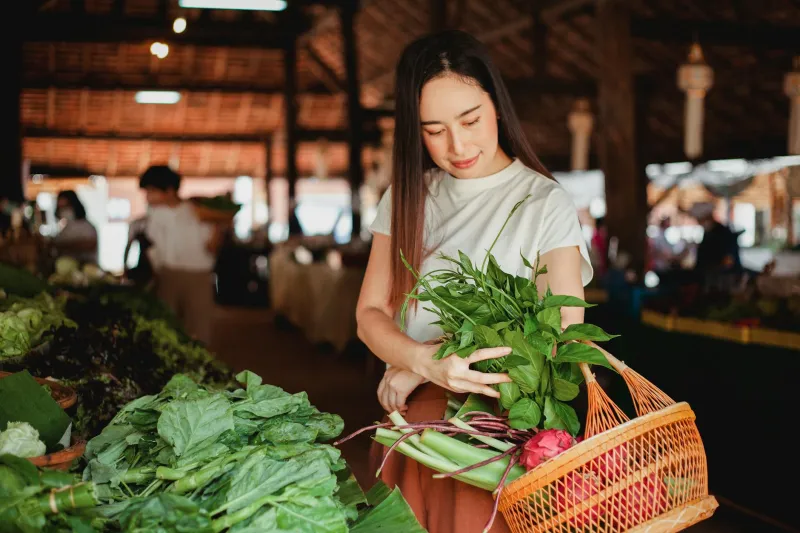
Step into any French town around 6 PM and witness a daily ritual that puts our Saturday supermarket marathons to shame. Office workers emerge from boulangeries clutching warm baguettes. Mothers deliberate over vegetables at the local marché, selecting tonight's ingredients based on what looks best today. Cheese shop queues move slowly because choosing the right Camembert requires proper conversation with someone who actually knows cheese.
This isn't inefficiency — it's intelligence.
The French approach to food shopping operates on three simple principles: buy what you need, when you need it, from people who know what they're selling. Revolutionary stuff, apparently.
Why Daily Shopping Makes Perfect Sense
Before you dismiss this as impractical French indulgence, consider the mathematics of freshness. Bread bought today tastes infinitely better than bread bought six days ago. Vegetables harvested this morning retain nutrients and flavour that storage inevitably diminishes. Fish caught yesterday beats fish that's been sitting around since last Tuesday.
The French aren't being precious about food — they're being practical. Why compromise on quality for the sake of convenience that isn't actually convenient?
Moreover, shopping daily means cooking with intention rather than obligation. Instead of staring into an overstuffed fridge wondering what to make from random ingredients you bought days ago, you select today's dinner based on what excites you today. It's the difference between cooking and meal planning — one involves creativity, the other feels like homework.
The Rising British Market Scene
Here's the encouraging news: Britain is slowly rediscovering the pleasures of proper food shopping. Farmers' markets have exploded across the country, from Borough Market's tourist-friendly abundance to smaller weekly markets that serve local communities with genuine local produce.
Independent butchers, fishmongers, and grocers are staging a quiet comeback on British high streets, often run by people who actually understand their products rather than minimum-wage staff trained to scan barcodes. These shops offer something supermarkets can't: expertise, seasonality, and the possibility of conversation about what you're actually buying.
Even our supermarkets are beginning to acknowledge the appeal of shopping differently. Metro and Express formats recognise that sometimes you want to buy dinner on the way home rather than plan it a week in advance.
The Economics of Shopping Smart
Countering the obvious objection: yes, shopping daily can actually save money. When you buy only what you need for immediate use, food waste plummets. No more optimistic lettuce purchases that turn to slime in the fridge. No more bulk-buying offers that seemed economical but resulted in throwing away half the food.
French households typically waste far less food than British ones, partly because their shopping habits naturally align with their consumption patterns. When you buy today's ingredients today, you use them today.
Additionally, building relationships with local food suppliers often means better prices, advance notice of seasonal specials, and the kind of insider knowledge that helps you eat better for less money.
Practical Steps Toward French-Style Shopping
Adopting a more French approach doesn't require abandoning supermarkets entirely or spending hours daily traversing specialist shops. Start small: buy your bread from an actual bakery rather than the supermarket bread aisle. The difference in quality justifies any minor inconvenience.
Identify one or two local suppliers worth supporting — perhaps a butcher who sources locally, or a greengrocer who knows which apples are at their peak this week. Build these stops into your routine gradually rather than attempting a complete lifestyle overhaul.
Use weekend market visits not for bulk purchasing but for discovering what's seasonal and excellent right now. Let the quality of available ingredients inspire your menu planning rather than the other way around.
The Pleasure Principle
Perhaps the most compelling argument for adopting French shopping habits isn't practical but philosophical. Shopping for food should be pleasurable, not punitive. It should connect you with seasons, suppliers, and the simple joy of selecting good ingredients.
French food shopping culture treats eating as important enough to deserve daily attention. Not obsessive attention — just the recognition that what you eat matters enough to choose thoughtfully.
This philosophy extends beyond individual benefit. When we shop locally and seasonally, we support community businesses, reduce food miles, and maintain the kind of food culture that makes places worth living in.
Breaking the Supermarket Monopoly
Britain's food shopping habits didn't develop in a vacuum. Decades of supermarket expansion, urban planning that prioritised cars over community, and working patterns that compress leisure time into weekends all contributed to our current predicament.
But these patterns aren't inevitable. Every time we choose the local bakery over the supermarket bread aisle, we vote for a different kind of food culture. Every conversation with a knowledgeable cheesemonger represents a small rebellion against the anonymity of barcode scanning.
The French never fully surrendered their food shopping culture to corporate efficiency, and their daily lives are richer for it. Their approach offers Britain a roadmap back to food shopping that's social, seasonal, and genuinely satisfying.
The Daily Difference
Imagine ending each day knowing that tomorrow's dinner will be determined by tomorrow's best ingredients rather than last week's optimistic meal planning. Picture building relationships with people who actually know whether the strawberries are worth buying today or if you should wait until Thursday.
This isn't about becoming more French — it's about becoming more connected to what we eat and where it comes from. In a world increasingly dominated by algorithmic meal kits and contactless transactions, the simple act of choosing today's food today feels almost revolutionary.
France's daily market ritual reminds us that food shopping can be a pleasure rather than a chore, a daily opportunity to engage with quality, seasonality, and community. Perhaps it's time Britain remembered how to shop little, often, and with genuine intention.