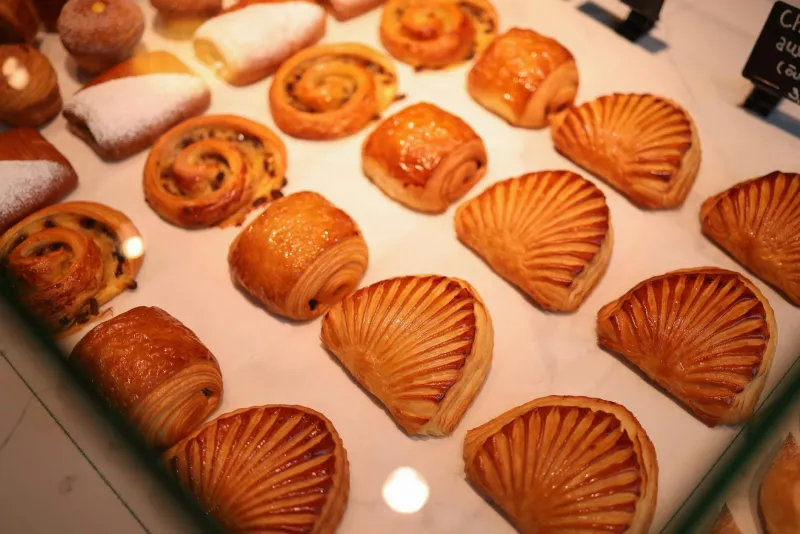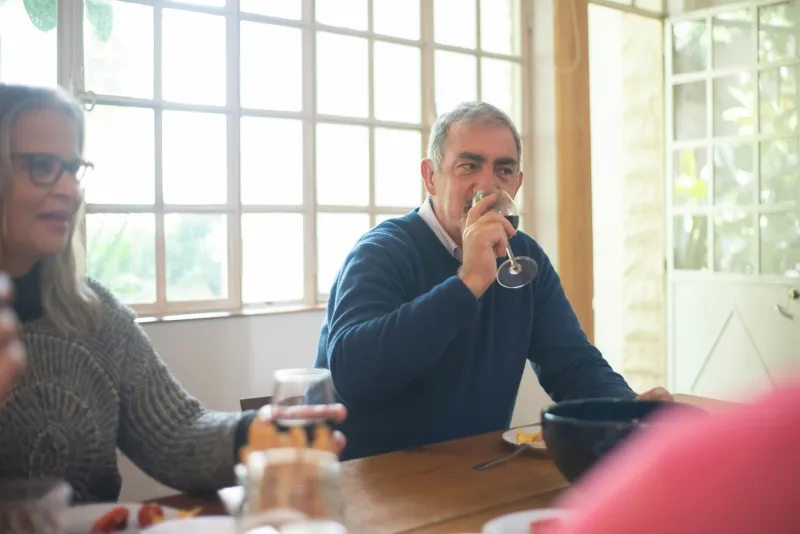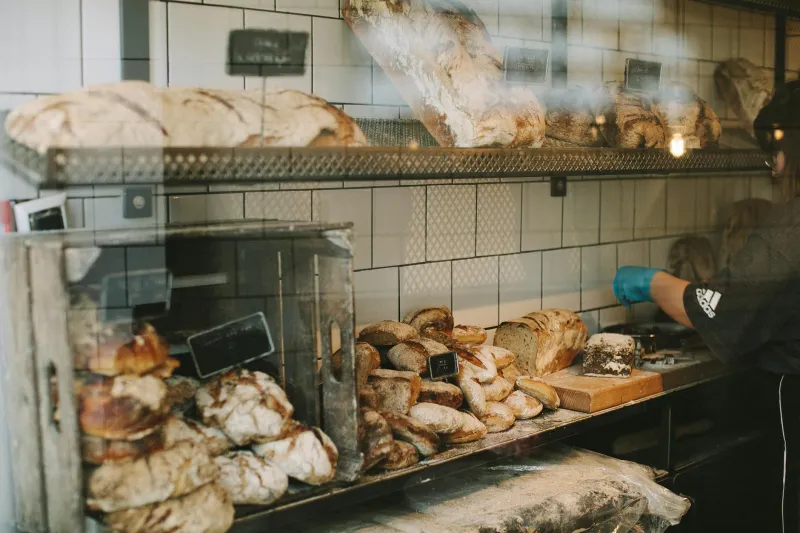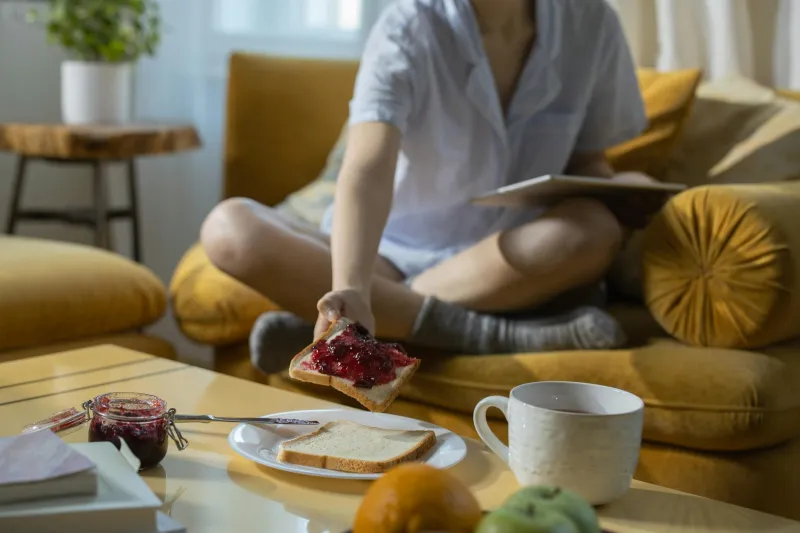
Walk into any trendy café from Brighton to Birmingham these days, and you'll spot them: the breakfast converts. They're the ones bypassing the traditional bacon and eggs, opting instead for a simple slice of sourdough, a pat of proper butter, and a bowl of café au lait. Britain, it seems, is having a quiet breakfast revolution — and it's distinctly French in flavour.
The Great British Breakfast Rethink
For generations, the full English has reigned supreme on our morning tables. Black pudding, baked beans, grilled tomatoes — the works. But somewhere between our obsession with wellness and our growing appreciation for Continental culture, something shifted. The French approach to breakfast — what they call petit déjeuner — has begun to seduce British palates with its elegant simplicity.
"I used to think a proper breakfast meant feeling stuffed for hours afterwards," admits Sarah, a marketing manager from Leeds who's recently converted to the Continental way. "Now I realise there's something quite liberating about starting your day with just really good bread, butter, and coffee. You feel satisfied but not weighed down."
This shift isn't just happening in cosmopolitan London. Independent cafés across the UK are reporting increased demand for Continental-style breakfast offerings. The traditional cooked breakfast isn't disappearing entirely, but it's sharing menu space with alternatives that would feel perfectly at home on a Parisian boulevard.
Less Is More: The French Philosophy
The French have always understood something we're only just cottoning on to: breakfast doesn't need to be complicated to be satisfying. Their morning ritual centres around three key elements — good bread, quality butter, and proper coffee. It's a philosophy that prioritises quality over quantity, mindfulness over speed.
In France, the morning tartine (an open-faced sandwich, essentially) is an art form. A slice of crusty bread — perhaps a baguette or pain de campagne — is lightly toasted, spread with unsalted butter, and topped with jam or honey. Paired with a café au lait or strong black coffee, it's a breakfast that takes minutes to prepare but encourages you to slow down and savour.
"The British approach to breakfast has traditionally been about fuel for the day ahead," explains Tom Richardson, head chef at a popular bistro in Bath. "The French see it more as a moment of pleasure. That mindset shift is really catching on here."
The Health Factor
It's impossible to discuss this breakfast evolution without acknowledging the health angle. As more Britons become conscious of what they're putting on their plates, the heavy, meat-laden full English can feel like a relic from less health-aware times.
The French breakfast, by contrast, offers a lighter start that doesn't leave you feeling sluggish by mid-morning. It's naturally lower in saturated fat and calories whilst still providing sustained energy from quality carbohydrates. Add in the mental health benefits of a slower, more mindful morning routine, and it's easy to see the appeal.
Bringing France to Your Kitchen
The Bread Foundation
Creating an authentic French breakfast at home starts with the bread. Forget the standard sliced loaf — you want something with character. A proper baguette from your local bakery is ideal, but failing that, look for artisanal sourdough or a rustic country loaf. The key is a good crust and an open, airy crumb that can hold up to butter and jam.
Butter Matters
This is where many British attempts at French breakfast fall flat. That slightly sweet, salted butter we're used to won't cut it. French butter is typically unsalted with a higher fat content, giving it a richer, creamier texture. Brands like Président or Isigny are widely available in UK supermarkets, or seek out a local dairy that produces European-style butter.
Coffee Culture
The French take their morning coffee seriously, and so should you. A café au lait — equal parts strong coffee and hot milk — is traditional, but a simple black coffee works just as well. The key is using good beans and proper brewing technique. Avoid anything instant if you want the authentic experience.
The Ritual Element
Perhaps the most important aspect of adopting the French breakfast isn't what you eat, but how you eat it. The French don't grab a tartine and rush out the door. They sit, they savour, they read the paper or simply watch the world wake up outside their window.
"It's about creating a pocket of calm before the day begins," says lifestyle blogger Emma Watson (not that one), who's been chronicling her own breakfast transformation. "Even ten minutes of mindful eating can change your entire morning mood."
A Cultural Shift
This breakfast revolution reflects something broader happening in British food culture. We're becoming more confident about borrowing from our Continental neighbours, adapting their approaches to suit our lifestyles. The French breakfast offers something the full English never could — a way to start the day that feels both indulgent and virtuous.
From the bustling streets of Manchester to the quiet lanes of the Cotswolds, more Britons are discovering that sometimes the best way forward is to slow down. And if that means swapping bacon and eggs for bread and butter, well, c'est la vie.