Step into any British city centre today and you'll be struck by the sheer number of coffee shops. From artisanal roasters in converted Victorian railway arches to sleek chains on every corner, we've become a nation of coffee connoisseurs. But this transformation didn't happen overnight, and it certainly didn't happen in isolation. The story of how Britain embraced coffee culture is intimately connected with our Continental neighbours, particularly France, in ways that might surprise you.
The Parisian Pioneers
To understand modern British coffee culture, we need to travel back to 17th-century Paris. The first coffeehouse opened there in 1686, and by the 1700s, Parisian cafés had become the beating heart of intellectual and social life. These weren't just places to drink coffee – they were democratic spaces where ideas were exchanged, newspapers were read aloud, and society was debated.
The French approach to café culture established several principles that still influence us today: coffee as a social lubricant, the café as a 'third space' between home and work, and the radical idea that a simple beverage could anchor an entire social experience.
Interestingly, while London's first coffeehouse actually predated Paris's by several decades (opening in 1652), it was the French model of café society that ultimately proved more enduring. British coffeehouses of the 17th and 18th centuries were exclusive, male-dominated spaces that eventually evolved into private clubs. The French café, by contrast, remained public, inclusive, and socially dynamic.
The Great British Tea Detour
Of course, Britain took a rather dramatic detour from coffee culture. The East India Company's influence, combined with clever marketing and the natural British affinity for ritual, saw tea become our national beverage. For nearly two centuries, coffee remained largely relegated to breakfast or special occasions, while tea dominated our daily rhythms.
But even during tea's heyday, the influence of Continental café culture never entirely disappeared. Victorian Britain saw the rise of coffee houses and coffee palaces – temperance alternatives to pubs that borrowed heavily from European café culture. These establishments, with their newspapers, chess sets, and emphasis on civilised social interaction, kept the Continental café ideal alive in British consciousness.
The Italian Intervention
The next chapter in our coffee story comes via Italy. Post-war immigration brought Italian coffee culture to Britain, introducing us to proper espresso and the theatrical ritual of coffee-making. The first espresso machine arrived in London in the 1950s, and suddenly coffee became something to watch being made, not just something to drink.
This Italian influence was crucial because it bridged the gap between French café philosophy and British practicality. Italian coffee culture shared France's emphasis on quality and ritual, but it was faster, more efficient – more suited to British sensibilities.
The Chain Revolution
The 1990s brought the first wave of American-style coffee chains to Britain. While Starbucks and Costa may seem distinctly un-Continental, they actually served as a gateway drug to European café culture. These chains normalised the idea of coffee as an experience rather than just a beverage, and they made the concept of 'hanging out' in a café socially acceptable to a broader British audience.
Crucially, these chains also educated British palates. Suddenly, we were learning about different roasts, milk temperatures, and coffee origins. We developed opinions about our coffee – something that would have seemed absurd to previous generations of tea drinkers.
The Antipodean Awakening
The 2000s brought what coffee historians call the 'third wave' – artisanal coffee culture led largely by Australian and New Zealand immigrants. The flat white became the drink that defined a generation of British coffee drinkers, but the philosophy behind it was deeply Continental.
Australian café culture, which heavily influenced modern British coffee shops, was itself shaped by post-war European immigration. Italian and Greek immigrants had brought their café traditions to Australia, where they evolved in a more relaxed, egalitarian direction. When this hybrid culture arrived in Britain, it felt both familiar and excitingly foreign.
The French Connection Lives On
Today's British coffee culture owes more to French café traditions than we might realise. Consider the modern British coffee shop: it's a democratic space where students sit alongside businesspeople, where newspapers are provided for browsing, where lingering is not just tolerated but encouraged. These are all fundamentally French innovations.
The rise of natural wine bars attached to coffee shops, the emphasis on locally sourced pastries and light meals, the way we've embraced outdoor seating (weather permitting) – all of these trends echo the Parisian café model established centuries ago.
Regional Variations and Local Adaptations
What's particularly British about our coffee culture is how it's adapted to local conditions and preferences. In Scotland, coffee shops often double as bookshops or art galleries, reflecting a culture that values intellectual discourse. In Northern England, many coffee shops have maintained a more egalitarian, community-focused approach that would be recognisable to 18th-century Parisian café society.
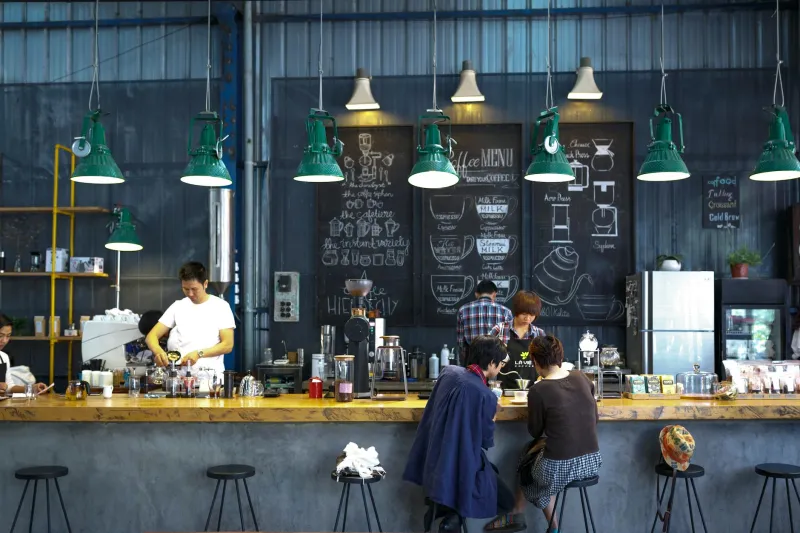
London's coffee scene has become increasingly Continental in recent years, with many establishments explicitly modelling themselves on Parisian or Italian café culture. Borough Market's Monmouth Coffee, established in 1978, pioneered the idea of coffee as craft, while newer establishments like Workshop Coffee or Ozone Coffee Roasters have embraced the full Continental experience: excellent coffee, quality food, and an atmosphere that encourages lingering.
What 'Proper' Coffee Culture Means in 2024
So what does authentic coffee culture look like in modern Britain? It's a fascinating hybrid that combines the best of several traditions:
Quality Without Pretension: Like the French, we've learned to appreciate good coffee, but we've retained British practicality. We want excellence, but we don't want to be lectured about it.
Social Space: The café as community hub is alive and well in Britain. From freelancers working on laptops to parents meeting for morning coffee after school drop-off, our coffee shops serve the same social function as Parisian cafés once did.
Ritual and Routine: We've embraced coffee rituals – the morning flat white, the afternoon oat milk cortado – in ways that echo both French café culture and British tea traditions.
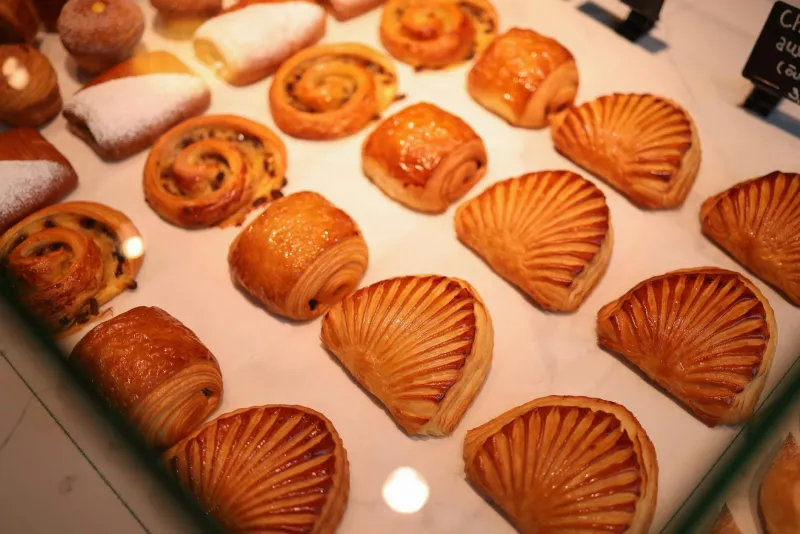
Food Integration: Modern British coffee culture has learned from Continental traditions that coffee and food are natural partners. The rise of quality pastries, seasonal lunch menus, and wine service in coffee shops reflects this integration.
Looking Forward
As we move through 2024, British coffee culture continues to evolve, but its Continental DNA remains strong. The pandemic reinforced the importance of local coffee shops as community anchors, while also accelerating trends towards outdoor dining and extended opening hours – both very Continental concepts.
Perhaps most importantly, we've internalised the French lesson that coffee culture is about much more than the beverage itself. It's about creating spaces for connection, conversation, and community. In an increasingly digital world, the physical café – with its blend of French philosophy, Italian craftsmanship, and British adaptability – remains one of our most important social institutions.
The journey from Parisian boulevard to British high street may have taken centuries, but the destination feels perfectly natural: a coffee culture that's unmistakably British but proudly international, practical but passionate, and always ready to welcome anyone through its doors for a proper cup of coffee and a moment of Continental calm.