The Scent of Lavender Fields in Your Kitchen
There's something almost magical about opening a jar of proper herbes de Provence. That first whiff transports you instantly—past the grey skies and drizzle, beyond the M25, straight to the sun-baked hillsides of southern France where wild thyme mingles with rosemary and the air itself seems seasoned with centuries of good cooking.
Yet for all its romantic associations, herbes de Provence is perhaps the most practical purchase you can make for your British kitchen. This isn't about recreating some elaborate French fantasy; it's about having a reliable flavour enhancer that works as beautifully with a Tesco chicken breast as it does with anything you might find on the Côte d'Azur.
What's Actually in the Mix?
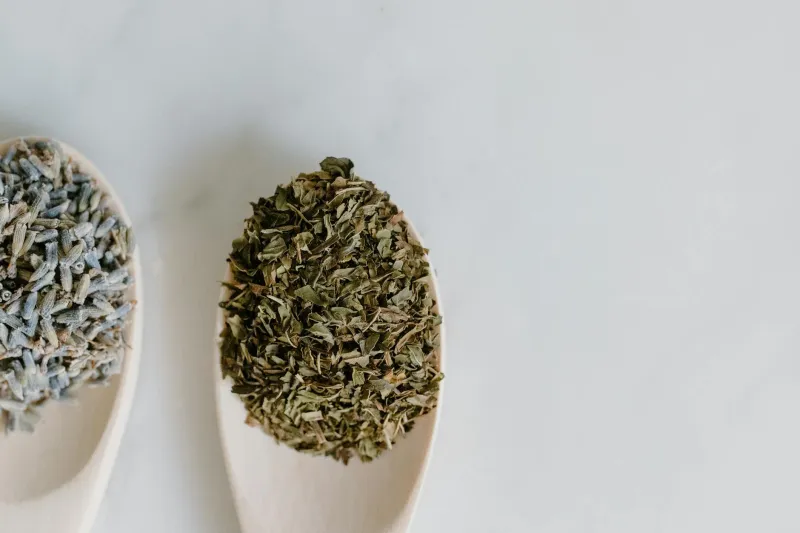
Authentic herbes de Provence typically contains thyme, rosemary, oregano, and savory—herbs that grow wild across the Mediterranean garrigue. Many commercial blends add lavender, which purists argue is a modern invention for tourists, but frankly, if it smells good and tastes good, who's complaining?
The key is understanding that this isn't just dried herbs thrown together. The proportions matter. Thyme provides the earthy base, rosemary adds that piney brightness, oregano brings warmth, and savory—often overlooked in British cooking—contributes a peppery complexity that ties everything together.
Beyond the Obvious: Where Herbes de Provence Really Shines
Yes, it's lovely rubbed into lamb or scattered over roasted vegetables. But the real joy of herbes de Provence lies in its versatility with everyday British staples.
Try stirring a generous pinch into your next batch of scrambled eggs—suddenly your Tuesday breakfast tastes like it came from a café in Aix-en-Provence. Mix it with olive oil and a squeeze of lemon for an instant salad dressing that makes even the saddest bag of rocket sing. Add it to your bread mix, whether you're making a simple soda bread or just jazzing up a supermarket part-bake.
One of my favourite discoveries is how beautifully it works with fish and chips. A light dusting over the fish before battering transforms this most British of dishes into something that wouldn't be out of place in Marseille's old port.
The Roast Chicken Revolution
If you only use herbes de Provence for one thing, let it be your Sunday roast. But forget complicated techniques or fussy preparations. Simply mix the herbs with soft butter, push the mixture under the skin of your chicken, and roast as normal. The result is succulent meat infused with Mediterranean sunshine, and a kitchen that smells like a French farmhouse.
For vegetables, the combination is equally transformative. Root vegetables—parsnips, carrots, potatoes—become something special with just a scatter of herbs before roasting. Even frozen peas benefit from a pinch stirred through with butter.
Shopping Smart: Finding the Real Deal
Not all herbes de Provence are created equal. The dusty jars that have been sitting on supermarket shelves for months will give you a pale shadow of what this blend can achieve. Look for brands like Le Baranier or Ducros if you can find them, or seek out independent spice shops that buy in small quantities and turn over stock regularly.
Online, The Spice Shop or Steenbergs offer excellent quality blends. If you're feeling ambitious, Provençal markets sell the herbs separately, allowing you to create your own blend—though honestly, life's too short unless you're particularly passionate about the precise ratio of savory to thyme.
A Vinaigrette That Changes Everything
Here's where herbes de Provence proves its worth as a kitchen essential rather than just another pretty jar. Make a simple vinaigrette with olive oil, white wine vinegar, Dijon mustard, and a generous teaspoon of the herbs. Let it sit for ten minutes for the flavours to meld.
This dressing works on everything from a simple green salad to roasted beetroot, from warm new potatoes to cold chicken. It's the sort of preparation that makes you feel like a proper cook without requiring any actual cooking skills.
The Weeknight Hero
Perhaps the greatest gift of herbes de Provence is how it rescues weeknight cooking from mediocrity. A handful of pasta tossed with olive oil, garlic, and herbs becomes a meal worth sitting down for. Grilled cheese sandwiches become croque monsieurs with just a sprinkle mixed into the butter.
Even a simple omelette—that cornerstone of French café cooking—benefits enormously from a pinch of herbs mixed into the eggs before cooking. Suddenly your Tuesday night dinner has the sophistication of a Parisian bistro.
Making It Your Own
The beauty of herbes de Provence lies not in slavish authenticity but in adaptation. Use it wherever you might normally reach for mixed herbs, but expect something more complex and satisfying. It works beautifully in marinades for barbecued meat, stirred into mayonnaise for elevated sandwiches, or mixed into cream cheese for an instant pâté.
This is French cooking at its most accessible—not about technique or expense, but about understanding how the right combination of simple ingredients can transform the ordinary into something memorable. In a jar of herbes de Provence, you're not just buying dried herbs; you're buying a shortcut to better flavour, a bridge between British practicality and French joie de vivre.