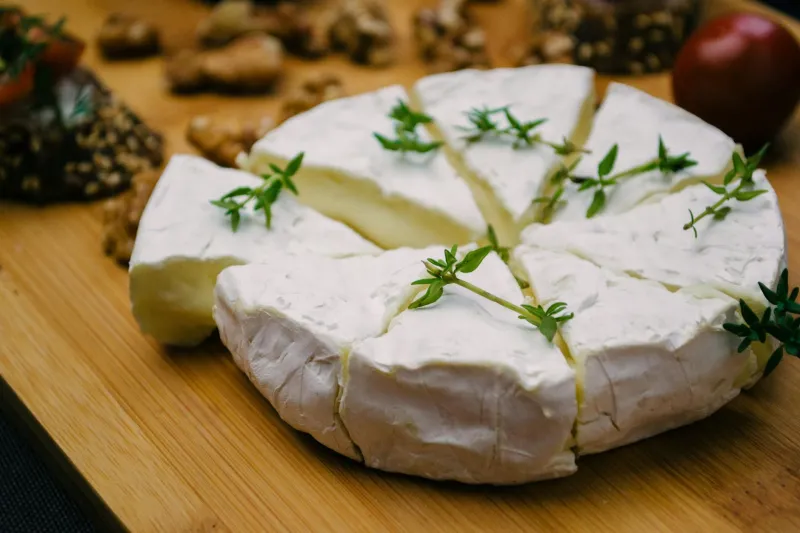
The Great British Cheese Crime
We commit a small tragedy every time we slice cheese straight from the fridge. Those beautiful wedges of Roquefort, wheels of Camembert, and chunks of aged Comté that cost a small fortune at the deli counter? We're essentially wasting our money by serving them ice-cold, their flavours locked away behind a wall of refrigerated numbness.
The French worked this out long ago. Walk into any French home an hour before dinner, and you'll find the cheese course sitting proudly on the counter, slowly warming to room temperature. It's not laziness or forgetfulness – it's centuries of accumulated wisdom about how to actually taste what you're eating.
The Science of Warming Up
Cold temperatures literally suppress flavour compounds. The aromatic molecules that give cheese its character – from the sharp tang of a good Cheddar to the earthy complexity of a well-aged Stilton – become sluggish and muted when chilled. Your taste buds can't detect what isn't there.
Warm cheese to room temperature, and those same compounds spring to life. Suddenly, that expensive piece of Époisses reveals layers of flavour you never knew existed. The texture transforms too – cold cheese feels dense and unyielding, while properly warmed cheese becomes creamy, yielding, alive.
This isn't about serving cheese hot or even particularly warm. Room temperature – around 18-20°C – provides the sweet spot where flavour and texture reach their peak without the cheese becoming unpleasantly soft or oily.
The French Method: Simple but Precise
French cheese etiquette is refreshingly straightforward. Remove your selection from the fridge 30-60 minutes before serving, depending on the type and size of cheese. Hard cheeses like aged Gruyère need the full hour; soft cheeses like Brie warm up more quickly.
Arrange them on a wooden board or marble slab – materials that don't conduct heat rapidly and help maintain stable temperatures. Cover lightly with a clean tea towel if your kitchen is particularly warm or if flies are a concern, but avoid plastic wrap, which traps moisture and can make surfaces soggy.
The key is planning ahead. This isn't something you can rush with a microwave or radiator. Good cheese, like good wine, rewards patience.
Building Your British Cheese Board
You don't need to bankrupt yourself buying artisanal French imports. Britain produces some of the world's finest cheeses, and they all benefit from proper temperature treatment.
Start with texture variety: Include something hard (aged Cheddar or Red Leicester), something semi-soft (Wensleydale or Lancashire), and something soft (Cornish Yarg or Somerset Brie). Each category warms at different rates and offers different pleasures.
Consider flavour intensity: Balance strong personalities like Stilton or Roquefort with milder options like fresh goat cheese or young Gouda. Room temperature intensifies all flavours, so what seems mild when cold might surprise you when properly served.
Shop seasonally: Many British cheeses have seasonal variations. Spring cheeses tend to be lighter and more delicate; autumn cheeses often show richer, more complex flavours. Room temperature serving highlights these subtle differences.
Regional French Wisdom Worth Borrowing
Normandy approach: Pair creamy cheeses like Camembert with crisp apples and calvados. The fruit's acidity cuts through the richness, while the spirit enhances the cheese's complexity.
Burgundy tradition: Serve strong cheeses with equally robust red wines. The tannins in the wine balance the fat in the cheese, creating harmony rather than competition.
Provence style: Combine fresh goat cheese with herbs, honey, and nuts. The Mediterranean approach celebrates cheese as part of a larger flavour landscape rather than the star of its own show.
Practical Tips for Success
Timing is everything: Set a phone reminder to remove cheese from the fridge. There's nothing more frustrating than remembering at the moment guests arrive.
Size matters: Cut large pieces into serving-sized portions before warming. This ensures even temperature distribution and prevents waste.
Watch the weather: On particularly hot days, reduce warming time to prevent over-softening. In cold kitchens, you might need extra time.
Trust your nose: Properly warmed cheese should smell inviting, not overwhelming. If anything smells off, trust your instincts.
The Affordable Luxury
Room temperature serving transforms even supermarket cheese into something special. That £3 piece of Brie from Tesco tastes exponentially better when properly warmed than when served fridge-cold. You're essentially getting more value from every purchase by allowing the cheese to express itself fully.
This makes building an impressive cheese course surprisingly affordable. Rather than buying twice as much cold cheese to achieve impact, buy half as much good cheese and serve it properly. Your guests will be far more impressed.
Beyond the Dinner Party
This isn't just about formal entertaining. Room temperature cheese elevates everyday meals too. That lunchtime sandwich becomes something special when the cheese has had time to warm up. Evening wine and cheese sessions gain new depth when you plan ahead.
Even breakfast improves. Set out cheese for morning toast the night before (covered, of course). You'll discover flavours in your daily cheese that you never knew existed.
The Conversion Moment
Once you start serving cheese at room temperature consistently, going back becomes impossible. Cold cheese begins to taste like cardboard – flat, lifeless, pointless. You'll find yourself automatically checking the clock when you put the weekly shop away, calculating when you might want cheese next.
It's a small change that delivers disproportionate rewards. Like many French food habits, it costs nothing extra but transforms the entire experience. Your cheese course becomes a revelation rather than an afterthought, and suddenly you understand why the French take their fromage so seriously.
The next time you're tempted to slice straight from the fridge, remember: patience isn't just a virtue in cheese service – it's the difference between eating cheese and truly tasting it.