The French Secret We're All Missing
Walk down the tinned goods aisle at Waitrose, and you'll spot something remarkable hiding between the chopped tomatoes and chickpeas: confit de canard. Duck legs, slow-cooked in their own fat until they fall off the bone, then preserved in tins that last for months. It's the kind of ingredient that makes French home cooking look effortless, yet most British shoppers walk straight past it.
This isn't about being fancy for fancy's sake. Duck confit represents everything clever about French food culture: maximum flavour with minimum fuss, restaurant-quality results from store cupboard staples, and the kind of rich, satisfying meals that turn a Tuesday evening into something special.
Why Tinned Trumps Fresh (Sometimes)
Before you wrinkle your nose at the thought of tinned duck, consider this: confit is literally designed to be preserved. The traditional method involves cooking duck legs slowly in duck fat, then storing them submerged in that same fat to keep them tender and flavourful for months. Tinning simply modernises an ancient technique.
The result? Duck that's more tender than anything you could achieve in a home oven, ready to crisp up in a hot pan within minutes. No overnight marinades, no temperature probes, no anxiety about overcooking expensive meat. Just open, heat, and marvel at what emerges.
The Weeknight Wonder Meal
Here's where duck confit becomes genuinely useful rather than just impressive. Picture this: you've dragged yourself home after a long day, opened the fridge to find nothing inspiring, and started contemplating another sad desk lunch tomorrow. Instead of reaching for that £4 ready meal, grab your tin of duck confit.
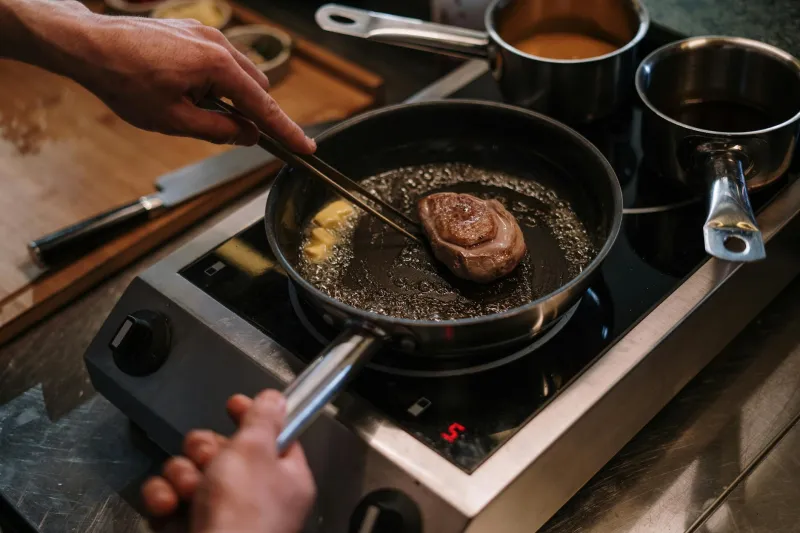
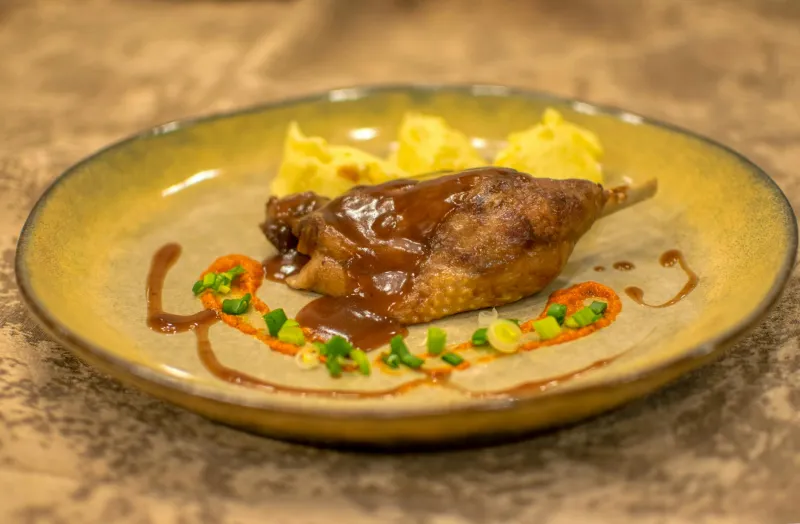
Crisp the duck legs skin-side down in a hot pan for five minutes. Meanwhile, warm some tinned flageolet beans with garlic and herbs, or simply toss a bag of salad leaves with walnut oil and Dijon mustard. Fifteen minutes later, you're eating something that wouldn't look out of place in a proper French bistro.
The duck fat left in the tin becomes liquid gold for roast potatoes, while any leftover meat shreds beautifully into pasta, risotto, or even a sophisticated take on beans on toast.
Where to Find Your Confit
Waitrose stocks several brands, typically in their Continental section rather than with regular tinned meat. Expect to pay around £8-12 for a tin containing two duck legs – expensive compared to chicken thighs, but reasonable when you consider you're buying restaurant-quality protein that requires virtually no skill to prepare perfectly.
Online, French specialists like Maison Curutchet or Godard offer premium versions, while Amazon stocks more affordable options from brands like Rougie. Harrods and Selfridges food halls also carry artisanal producers if you're feeling particularly flush.
Beyond the Basic: Three Ways to Elevate Your Confit
The Cassoulet Shortcut: Combine your duck confit with tinned cannellini beans, Toulouse sausage, and a splash of white wine. Forty minutes in the oven creates a deeply satisfying cassoulet that normally takes days to prepare properly.
Duck Fat Potatoes: Save every drop of fat from the tin. These golden, crispy roast potatoes will ruin you for any other kind. The secret is getting your oven properly hot before the potatoes go in.
Instant Rillettes: Shred leftover duck meat with a fork, mix with some of its own fat, add a splash of brandy and fresh thyme. Spread on crusty bread for an instant pâté that costs a fraction of shop-bought versions.
The French Logic
What strikes you, once you start cooking with duck confit regularly, is how it embodies French food philosophy: quality ingredients, treated simply, with maximum impact. No complicated techniques, no exotic equipment – just good fat, good meat, and the confidence to let both shine.
It's the kind of ingredient that transforms your cooking reputation overnight. Suddenly, you're the person who "just threw together" an impressive dinner from store cupboard ingredients. Your guests don't need to know it came from a tin.
Making the Investment
Yes, £10 feels steep for tinned meat when you're used to paying £3 for chicken. But consider the maths: that's two generous portions of restaurant-quality protein, plus enough rendered fat to transform several batches of vegetables. Compare that to a single meal out, and duck confit starts looking like excellent value.
Store unopened tins in your cupboard for up to two years. Once opened, transfer to the fridge and use within a week. The beauty lies in having this ace up your sleeve, ready to transform any meal from mundane to memorable.
So next time you're wandering the aisles at Waitrose, pause at that unassuming tin. Your weeknight dinners will never be the same.