Beyond the Tap: How France Turned Table Water into an Art Form
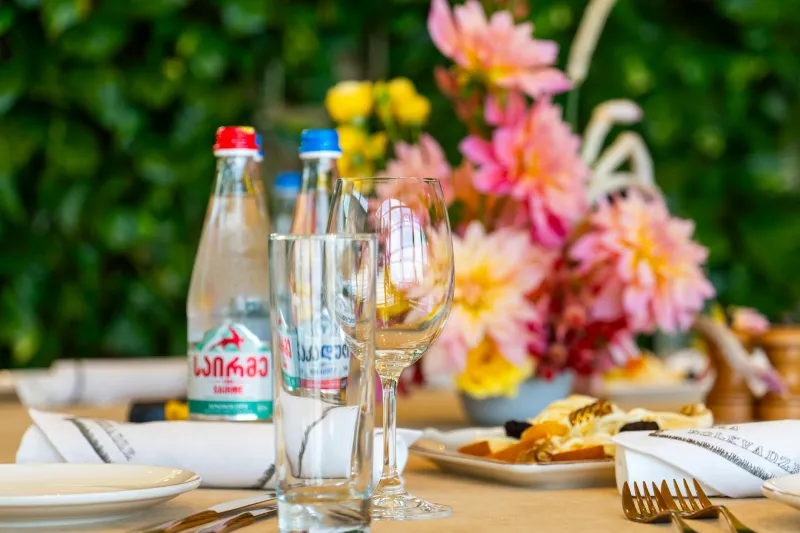
Walk into any French restaurant and watch what happens when the waiter asks about water. There's no automatic reach for the tap, no defaulting to whatever sparkling water the bar stocks. Instead, there's a brief but serious conversation about still versus sparkling, about regional preferences, about what might complement the meal ahead.
To British eyes, this can seem like Continental pretension – surely water is just water? But spend time in French café culture and you begin to understand that they're onto something we've completely missed. The French have turned the humble glass of water into a considered part of the dining experience, and it's time we paid attention.
The Regional Water Map
France doesn't just have mineral water – it has a geography of taste that rivals its wine regions. Badoit from the Loire valley, with its gentle sparkle and mineral complexity. Vals from the Ardèche, still and soft with a distinctive smoothness. Perrier from the south, aggressively sparkling and slightly saline. Each has its devotees, its ideal food pairings, its place in the French dining ritual.
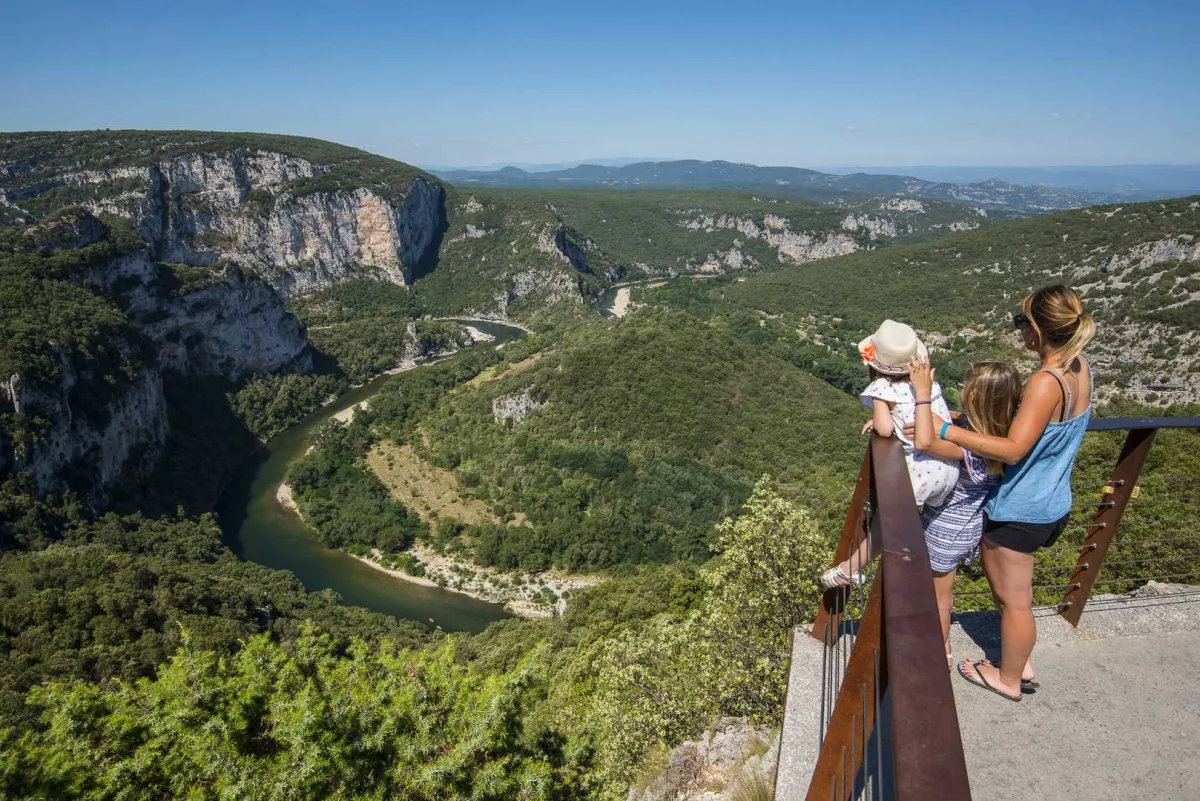 Photo: Ardèche, via en.gorges-ardeche-pontdarc.fr
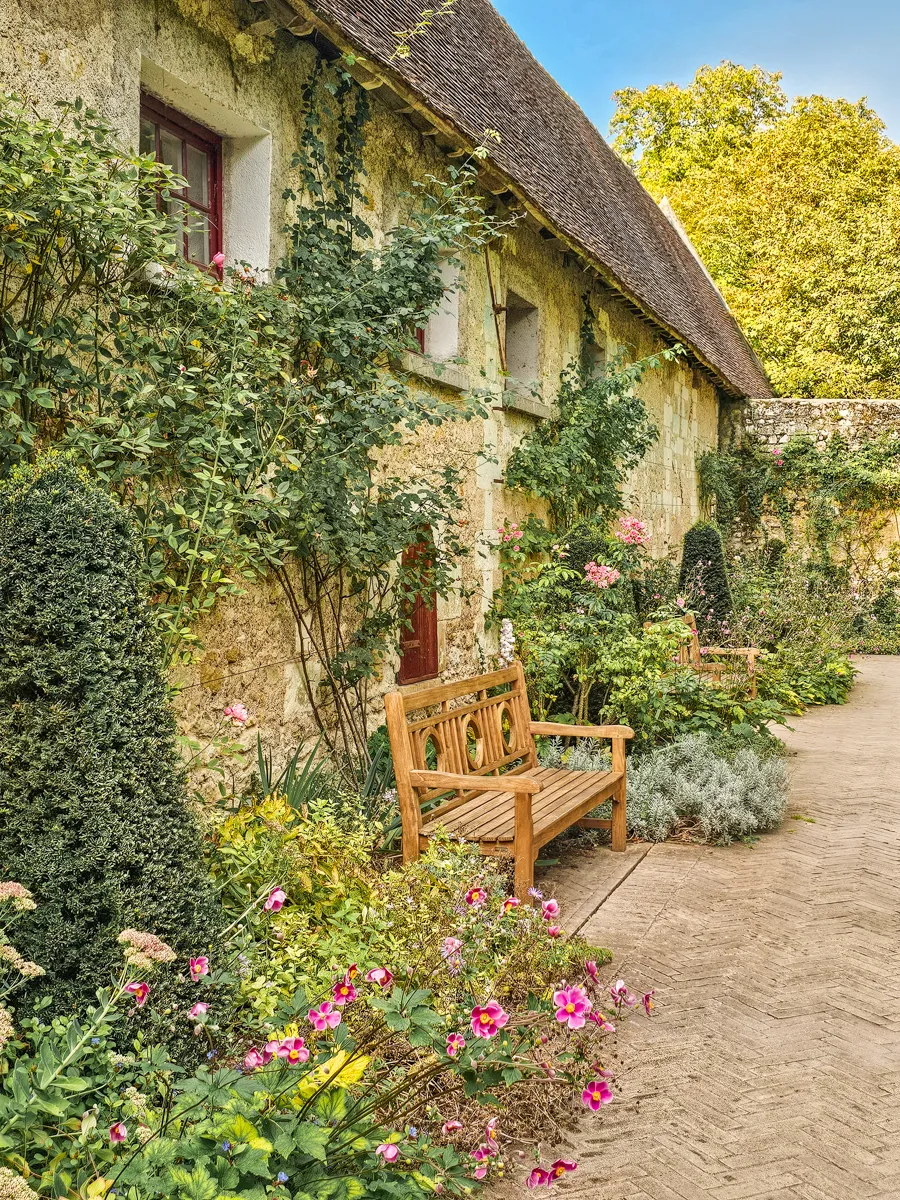 Photo: Loire valley, via franceadventurer.com
This isn't marketing nonsense – these waters genuinely taste different because they come from different geological formations, different mineral compositions, different underground journeys. A glass of Badoit has a subtle complexity that makes it a pleasure to drink on its own, while Vals's softness makes it perfect alongside rich, creamy dishes.
The Pairing Principle
The French approach to table water follows the same logic as wine pairing, just more subtly. A heavily mineralised sparkling water cuts through rich, fatty foods – which is why Perrier works so well with charcuterie. A soft, still water won't compete with delicate fish dishes. A lightly sparkling option like Badoit provides gentle palate cleansing between courses without overwhelming subtle flavours.
Watch French diners and you'll notice they often change their water choice between courses, just as they might move from champagne to red wine. It's not pretentious – it's practical. Different waters do different jobs, and choosing the right one enhances rather than distracts from the food.
The British Default
Meanwhile, in Britain, we've reduced water to a binary choice: tap or sparkling. If we're feeling fancy, we might specify San Pellegrino or Evian, but that's usually the extent of our consideration. We treat water as hydration rather than part of the meal, something to wash food down rather than something that might actually complement it.
This practical approach has its merits – tap water in most of Britain is perfectly good, and there's something admirably no-nonsense about not fussing over what's essentially H2O. But we're missing the opportunity to add another layer of pleasure to our meals, another small way to make dining special rather than just functional.
The Café Culture Connection
In French café culture, the choice of water is part of the ritual of settling in, of making the space yours for the next hour. Ordering a specific water signals that you're not just grabbing a quick drink – you're committing to the experience. It's the liquid equivalent of choosing a proper table over a bar stool.
This attention to detail extends throughout the French approach to café life. They understand that pleasure comes from small considerations, from treating even simple choices as worth making thoughtfully. The water isn't just about hydration – it's about setting the tone for everything that follows.
The Home Application
You don't need to spend a fortune to bring some of this French water wisdom into your own dining. Next time you're planning a dinner party, consider offering two types of water – perhaps a still and a lightly sparkling option. Notice how your guests respond differently to each, how the sparkling water works better with the cheese course, how the still water complements the wine without competing.
Even for everyday meals, keeping a bottle of good mineral water in the fridge transforms the simple act of setting the table. It signals that this meal matters, that you've thought about every element of the experience. It's a small luxury that costs less than a decent bottle of wine but adds a similar sense of occasion.
The Taste Education
Once you start paying attention to water, you realise how much variation there actually is. The chlorine taste of heavily treated tap water becomes more noticeable. The aggressive bubbles of some sparkling waters start to seem harsh. The smooth, almost silky quality of good mineral water becomes something to appreciate rather than just consume.
This isn't about developing expensive tastes – it's about developing any taste at all. The French approach to water is really about mindfulness, about paying attention to all the elements that make up a meal rather than just focusing on the food itself.
The Digestive Dimension
There's also a practical element to the French water culture that we've largely ignored. Different mineral contents genuinely affect digestion – the minerals in some waters aid the breakdown of rich foods, while others provide gentle stimulation between courses. The French aren't just being precious about their Badoit; they're recognising that what you drink with your meal affects how you feel afterwards.
This knowledge used to exist in British culture too – think of the traditional association between certain spa waters and digestive health. We've lost that connection between what we drink and how we feel, reducing water to mere hydration when it could be so much more.
The Pleasure Principle
Ultimately, the French approach to table water is about pleasure – the simple pleasure of choosing something that tastes good, that complements your meal, that adds another small dimension to the dining experience. It's not about showing off or following rigid rules; it's about recognising that every element of a meal is an opportunity for enjoyment.
In a culture that's increasingly focused on efficiency and convenience, there's something refreshing about the French insistence that even water deserves consideration. It's a reminder that meals are about more than just nutrition, that dining is about pleasure as much as sustenance.
Next time you're in a restaurant, pause when they ask about water. Consider the options. Think about what might work best with what you're eating. You might be surprised by how much difference the right choice makes – and how much more enjoyable the whole meal becomes when every element has been thoughtfully considered.