Plastic Triangles and Lost Hours: How Britain Forgot the Art of Lunch

Walk past any British office building at 1pm and peer through the windows. You'll spot them everywhere: workers hunched over keyboards, mechanically chewing through meal deals whilst responding to emails. The great British lunch has been reduced to a plastic-wrapped triangle consumed between Teams calls, washed down with lukewarm coffee from a machine that's seen better decades.
Meanwhile, across the Channel, French offices empty. Workers stream into bistros, brasseries, and company canteens for what they still consider a sacred ritual: le déjeuner. Two courses minimum, proper cutlery, actual conversation. The idea of eating a sandwich at your desk whilst working would be met with the kind of horror usually reserved for wearing socks with sandals.
The Productivity Paradox
Somewhere along the way, Britain convinced itself that skipping lunch makes us more productive. We've bought into the myth that the person eating a Pret sandwich whilst updating spreadsheets is somehow getting ahead of their French counterpart who's just ordered a proper starter.
But here's the thing: it's complete nonsense.
Studies consistently show that workers who take proper breaks are more creative, make better decisions, and are less prone to afternoon energy crashes. The French aren't being indulgent with their two-course lunches – they're being smart. That hour away from screens and spreadsheets isn't lost time; it's an investment in the quality of the afternoon's work.
What France Gets Right
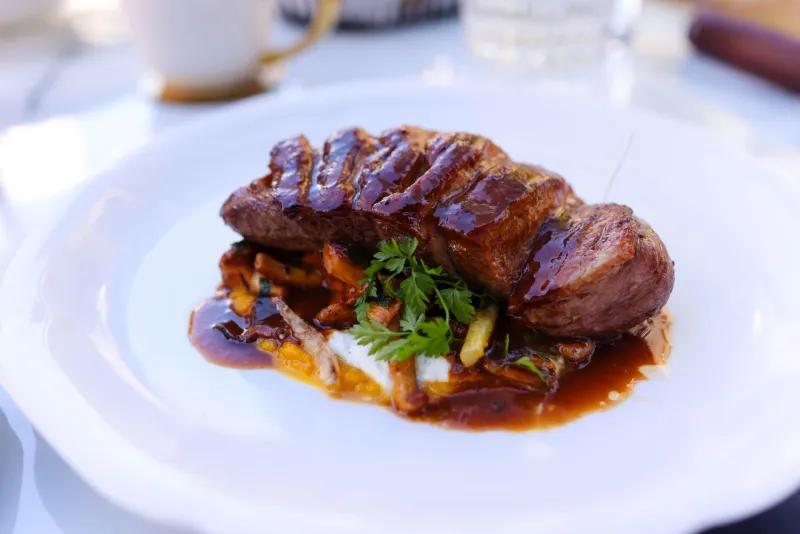
In France, lunch isn't just about refuelling. It's about switching off, resetting, and returning to work with fresh perspective. Even the humblest office canteen serves proper meals: a starter (often soup or salad), a main course with vegetables, cheese, and sometimes dessert. Workers sit together, talk about everything except work, and actually taste their food.
This isn't some romantic notion of Parisian café culture – it's practical psychology. When you eat whilst working, your brain never fully disengages from work mode. You're not properly resting, and you're not properly eating either. That afternoon slump that sends you reaching for your third coffee? That's your brain's way of telling you it needed an actual break.
The British Resistance
So why has Britain become so resistant to the proper lunch? Part of it's cultural – we've always been suspicious of anything that looks too much like pleasure during work hours. Part of it's economic – the pressure to appear busy, to be seen to be earning our keep in an uncertain job market.
But mostly, it's habit. We've normalised the sad desk lunch to the point where taking an actual break feels almost rebellious. Colleagues who disappear for a proper lunch are viewed with suspicion, as if they're somehow shirking their duties.
Building a Better Lunch Hour
You don't need a two-hour Parisian brasserie session to reclaim your lunch. Start small: leave your desk, even if it's just to sit in the office kitchen. Put your phone away. If you're buying lunch, choose something that requires a knife and fork – anything that forces you to slow down and actually eat rather than just consume.
Better still, pack something that resembles a proper meal. The French concept of le déjeuner isn't about expensive restaurants; it's about treating the midday meal with respect. A thermos of homemade soup, some proper bread, a piece of fruit – suddenly you're eating rather than just refuelling.
The Social Element
One thing the French understand that we've forgotten: lunch is social. Eating alone whilst staring at a screen isn't just bad for digestion; it's bad for morale. When did we decide that talking to colleagues about non-work topics was somehow unproductive?
Those conversations over lunch – about weekend plans, favourite restaurants, holiday destinations – aren't time-wasting. They're team-building that doesn't require a facilitator or trust exercises. They're what transforms a group of people who happen to work together into actual colleagues.
The Real Cost of Meal Deals
There's something deeply depressing about the British meal deal culture. Three items for £3, eaten hurriedly whilst checking emails – it's the culinary equivalent of fast fashion. Cheap, convenient, and ultimately unsatisfying.
Compare that to the French approach: spending a little more time and money on lunch, but getting something that actually nourishes both body and spirit. It's not about being fancy; it's about recognising that how we treat our meals reflects how we treat ourselves.
Time to Change
The irony is that Britain has some of the longest working hours in Europe, yet we're not necessarily more productive than our Continental neighbours. Maybe it's time to consider that the problem isn't that we're not working hard enough – it's that we're not resting properly.
The French have never forgotten that humans aren't machines. We need proper breaks, proper food, and proper conversation to function at our best. Their lunch culture isn't a luxury; it's a recognition of basic human needs.
So tomorrow, when 1pm rolls around, try something revolutionary: leave your desk. Sit somewhere else. Eat something that requires chewing. Talk to someone about something other than work. Your afternoon self will thank you for it, and your productivity might just surprise you.