Free Tricks, French Flavour: Five Habits to Steal This Week
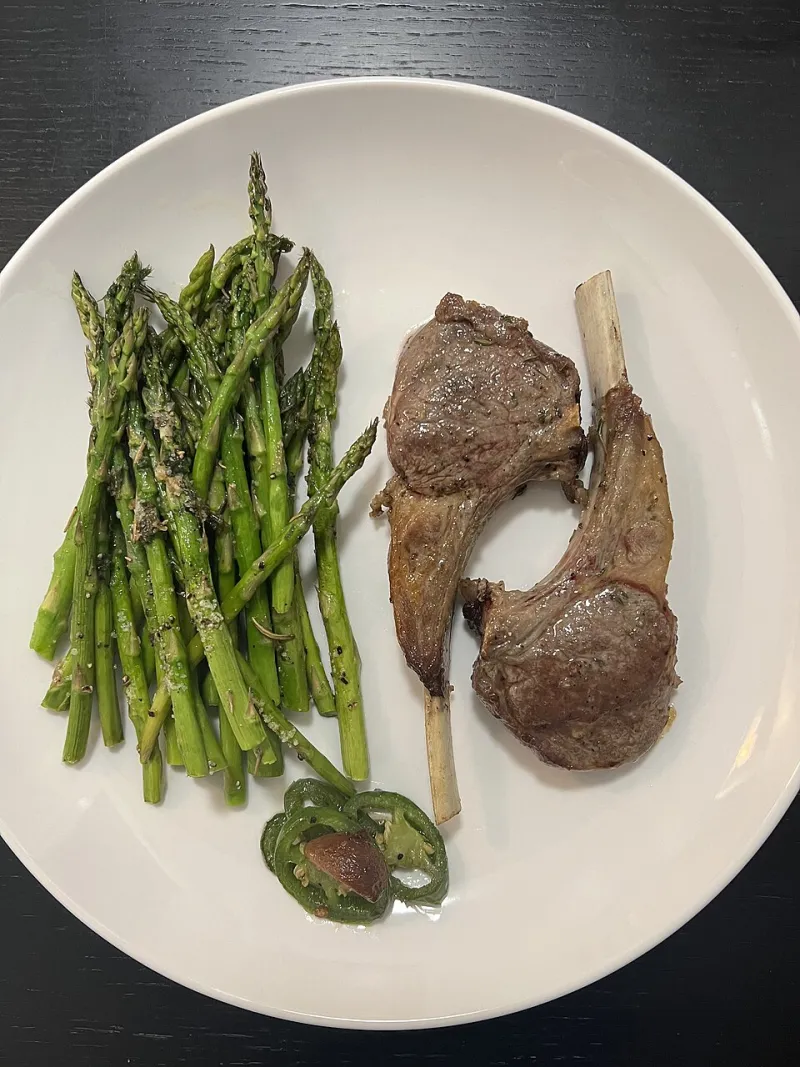
Photo: HaJunkiyada, CC BY-SA 4.0, via Wikimedia Commons
Ask most people what stands between them and cooking like the French and you'll get a shopping list: a copper pan, a Le Creuset, a bottle of something from a region they can't pronounce. It's a comforting fiction, because it means the problem is always one purchase away from being solved.
The truth is more awkward and much cheaper. French home cooking runs on habits, not equipment. Habits cost nothing. Here are five you can start tonight.
1. Mise en Place, Minus the Fuss
Mise en place — everything in its place — sounds like restaurant jargon, but at home it just means: chop the onion before the pan gets hot. That's it. That's the whole trick.
Most home cooking disasters are actually time-management disasters. The garlic burns because you were still grating the cheese. The pasta overcooks because the sauce wasn't ready. Ten minutes of prep before you turn on the hob and the whole thing stops feeling like a panic.
This week: before cooking anything, spend five minutes with a chopping board and a small bowl for each prepared ingredient. Notice how quiet your brain gets. That's the point.
2. Finish With Acid
If a French dish tastes brighter than yours, the missing element is often not salt, not butter, but acid — a squeeze of lemon, a splash of wine vinegar, a spoonful of Dijon loosened into the sauce at the very end.
Acid wakes everything up. A heavy stew becomes rounded. A rich fish dish becomes lively. Cooks call it "lifting" a dish, and it takes four seconds.
This week: before serving anything — soup, braise, even a cheese toastie's side salad — taste it and ask whether a drop of lemon juice or vinegar would help. Nine times out of ten, yes.
3. Taste As You Go
The single biggest behavioural difference between confident cooks and anxious ones is the spoon. French home cooks taste constantly — at every stage, unapologetically — because they're seasoning a process, not a finished plate.
Tasting at the end tells you what went wrong. Tasting throughout lets you fix it while it's fixable.
This week: wash a spare spoon before you start cooking and keep it by the hob. Taste after the onions, after the liquid goes in, halfway through the simmer, and at the end. Adjust each time. Your salt levels alone will thank you.
4. Rest Your Meat — Properly
Every French roast rests. Every British Sunday, a lot of ours doesn't, because we're carving at the exact moment the timer beeps, usually while simultaneously making gravy and telling someone to lay the table.
Resting isn't fussiness. When meat cooks, the juices are driven to the centre; resting lets them redistribute, so they stay in the meat instead of flooding the board. Ten minutes for a chicken, fifteen to twenty for a roast, loosely covered with foil.
This week: build the rest into the timing rather than treating it as dead time. Use the window to finish your sauce or vegetables — which is, conveniently, exactly what the French do.
5. Shop Your Fridge First
The most unglamorous habit on the list, and possibly the most French. Before planning a meal, the reflex question isn't "what do I fancy?" but "what's already here?"
This is how French home cooking stays thrifty and creative at once: the half onion, the heel of cheese, the sad-looking courgette all become an omelette filling or a pasta sauce rather than landfill. Cuisine de récupération — recovery cooking — is a badge of honour, not a compromise.
This week: before writing a shopping list, open the fridge and name three things that need using. Plan around one of them. Watch how much money you don't spend.
The Common Thread
Notice what these five habits have in common: attention. Prep with attention, season with attention, rest with attention, waste nothing. No pan, knife or bottle of Burgundy can buy you that — which is either disappointing or deeply liberating, depending on how much cookware you own.
Pick one habit. Start tonight. The French would approve of the restraint.