Ambient Ambitions: Why France's Room-Temperature Revolution Could Transform British Kitchens
Breaking the Heat Barrier
British cooking culture operates under a peculiar tyranny: the belief that proper food must be served piping hot. We've become so obsessed with temperature that we'll microwave perfectly good cheese until it's molten, reheat delicate pastries until they're cardboard, and serve salads alongside scalding main courses as if they're somehow incomplete without the contrast.
Meanwhile, across the Channel, French kitchens have quietly mastered something we're only beginning to understand: the art of the room-temperature meal. This isn't about serving cold food – it's about recognising that many ingredients actually taste better when they're allowed to settle into their natural state, neither chilled into submission nor heated beyond recognition.
The Science of Ambient Eating
There's genuine culinary logic behind France's room-temperature revolution. When cheese sits at ambient temperature for an hour, its fats soften and its flavours bloom. A tomato that's been chilled in the fridge tastes like cardboard; the same tomato at room temperature explodes with sweetness and acidity. Olive oil, herbs, cured meats – almost everything that makes Mediterranean cuisine so compelling – performs best when it's neither hot nor cold.
Consider the classic salade niçoise. This isn't a side dish struggling to complement a hot main course – it's a complete meal that happens to be served at room temperature. The tuna (often from a tin, and proud of it), the hard-boiled eggs, the tomatoes, the anchovies – each component contributes its full flavour precisely because it hasn't been subjected to the numbing effects of either extreme cold or heat.
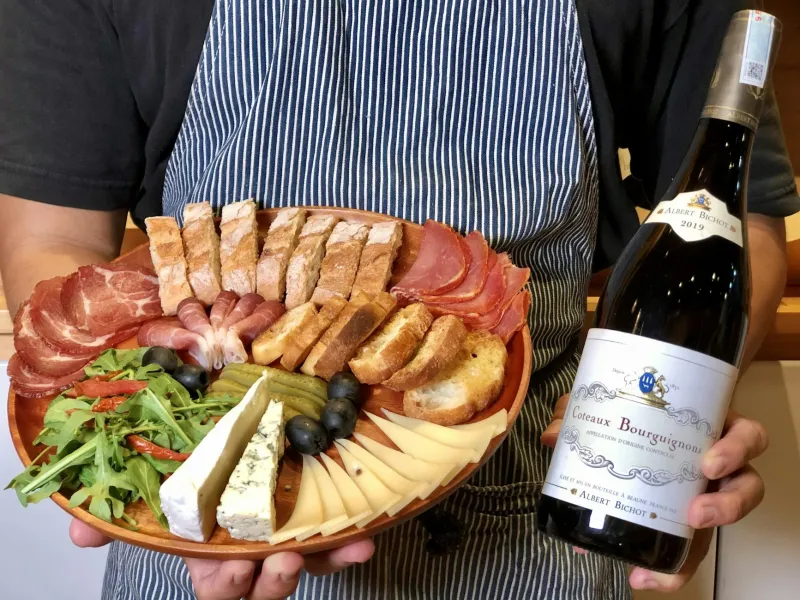
The same principle applies to charcuterie. French cured meats are designed to be eaten at cellar temperature, where their fats are soft enough to melt on the tongue but firm enough to provide texture. Serve jambon de Bayonne straight from the fridge, and you might as well be eating expensive cardboard. Let it come to room temperature, and suddenly you understand why the French make such a fuss about it.
Britain's Temperature Obsession
Our fixation with hot food has created some genuinely bizarre dining habits. We'll serve a beautiful cheese board as dessert, then wonder why the stilton tastes like chalk and the brie refuses to spread properly. We'll make elaborate salads, then serve them alongside scorching main courses that wilt the leaves and turn the dressing into soup.
This temperature tyranny extends to our restaurant culture as well. British kitchens are organised around the principle of 'hot holding' – keeping everything at serving temperature until the moment it leaves the pass. The result is food that often tastes overcooked by the time it reaches the table, vegetables that have lost their bite, and sauces that have been reduced to shadows of their former selves.
French kitchens, by contrast, understand that different foods have different optimal serving temperatures. A properly made rillettes doesn't need to be hot – in fact, heating it would destroy its carefully crafted texture. A tarte à la tomate is actually better when it's had time to settle and cool, allowing the flavours to meld and the pastry to crisp properly.
The Liberation of Room Temperature
Once you embrace ambient-temperature cooking, a whole world of possibilities opens up. Suddenly, entertaining becomes less about military-precision timing and more about thoughtful preparation. You can make a beautiful spread hours ahead of time, knowing that it will actually improve as it sits.
Take a simple charcuterie board. In British hands, this often becomes a hurried assembly of whatever's in the fridge, served immediately and eaten quickly before anything 'goes off.' The French approach is entirely different: select your meats and cheeses in the morning, arrange them beautifully, then let them spend the day slowly coming to perfect eating temperature.
The transformation is remarkable. Cheese that seemed bland and rubbery when cold develops complex, nuanced flavours. Cured meats that felt tough and chewy become silky and rich. Bread that was merely functional becomes the perfect vehicle for flavours that are now singing in harmony.
Practical Applications for British Kitchens
Adapting room-temperature techniques for British cooking doesn't require abandoning our culinary heritage – it means expanding it. That Sunday roast doesn't need to be accompanied by a salad that's been wilting under heat lamps. Instead, prepare a proper salade verte an hour before serving, dress it lightly, and let it sit at room temperature. The leaves will maintain their structure while the dressing penetrates properly.
Consider the possibilities for summer entertaining. Instead of firing up the barbecue and standing over hot coals while your guests enjoy themselves, prepare a selection of terrines, pâtés, and salads that actually improve with time. Add some good bread, a selection of pickles, and perhaps some fruit, and you've created a feast that requires no last-minute panic.
Even simple weeknight dinners can benefit from this approach. A piece of good salmon, poached gently and allowed to cool to room temperature, served with new potatoes and a herb mayonnaise, is infinitely more satisfying than the same fish served hot and dry from the oven.
The Art of Timing
The key to successful room-temperature cooking is understanding timing – not the frantic, minute-by-minute timing of hot cooking, but the gentle, forgiving rhythms of ambient preparation. Cheese needs at least an hour to come to proper temperature. Charcuterie benefits from similar treatment. Salads can sit for up to two hours without deteriorating, often improving as the flavours meld.
This slower approach to timing can be profoundly liberating for home cooks. Instead of racing against the clock to get everything hot simultaneously, you can prepare components throughout the day, building flavours and allowing elements to reach their optimal state naturally.
Beyond the Obvious
Room-temperature cooking extends well beyond the obvious candidates of cheese and charcuterie. Roasted vegetables, allowed to cool to ambient temperature and dressed with good olive oil and herbs, often taste better than when they're served hot. Fish terrines, vegetable tarts, even certain meat dishes benefit from this treatment.
The French have entire categories of dishes designed around this principle. The salade composée – a composed salad that functions as a complete meal. The assiette de crudités – an arrangement of raw and lightly cooked vegetables. The plateau de fruits de mer – a seafood platter that would be ruined by any attempt to keep it hot.
Changing Perspectives
Perhaps the most important shift required for British cooks is psychological. We need to stop seeing room-temperature food as somehow inferior or incomplete. Instead, we should recognise it as a different approach to cooking – one that often produces superior results with considerably less stress.
The next time you're planning a dinner party, consider building the menu around dishes that improve with time rather than deteriorate. Your guests will enjoy better food, and you'll actually be able to enjoy their company instead of disappearing into the kitchen every few minutes to check on something in the oven.
France's room-temperature revolution isn't about being difficult or different – it's about understanding that the best food often comes from working with ingredients' natural properties rather than against them. It's time British kitchens caught up.