While Britain Serves Nuggets, French Six-Year-Olds Dine on Coq au Vin: The Cantine Revolution We're Missing
The Tale of Two Lunch Tables
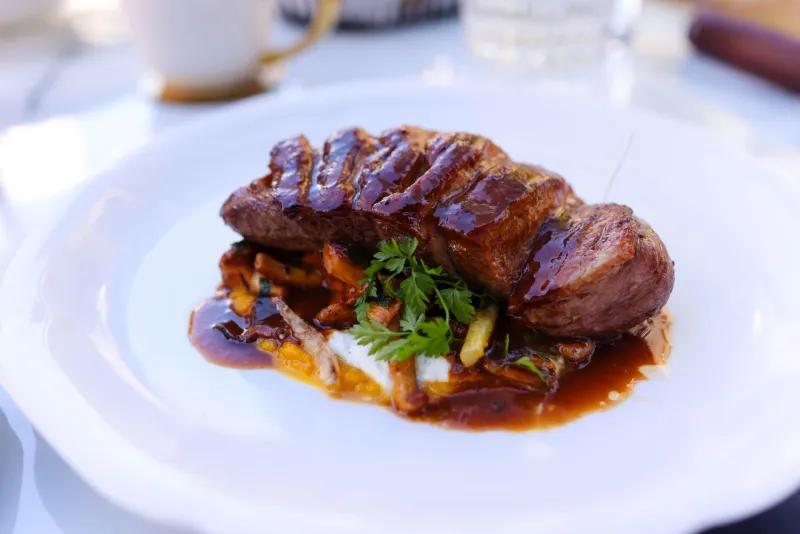
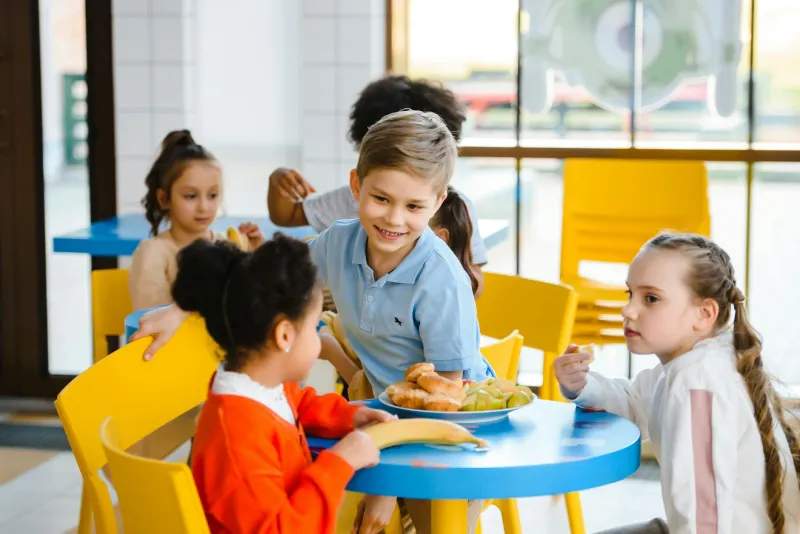
Picture this: it's 12:30 on a Tuesday in Lyon. Six-year-old Marie sits at a proper table with her classmates, napkin tucked under her chin, as the dinner lady serves her a starter of grated carrots with vinaigrette. Next comes coq au vin with green beans and roasted potatoes, followed by a selection of local cheeses and fresh fruit. The children chat quietly, use proper cutlery, and take their time. Lunch lasts an hour and a half.
Now imagine it's the same time in Manchester. Six-year-old Emma queues in a noisy hall, grabs a plastic tray, and chooses between chicken nuggets or a jacket potato. She eats standing up or perched on a bench, racing to finish before the bell rings for afternoon lessons. Lunch break: thirty minutes, if she's lucky.
Both children are receiving their statutory school meal. The difference? One is being educated; the other is simply being fed.
More Than Just Fuel
The French cantine isn't just about nutrition — though the carefully planned menus, featuring fresh, seasonal ingredients and minimal processing, certainly deliver on that front. It's about something far more fundamental: teaching children that food matters, that meals are social occasions, and that eating well is a life skill as important as reading or mathematics.
Every aspect of the French school lunch is designed with education in mind. Children learn to use proper cutlery, to try new foods, to engage in conversation at the table. They discover that meals have a rhythm and structure, that there's pleasure to be found in different textures and flavours, that eating is about more than simply filling your stomach.
Most remarkably, French school canteens operate on a fundamental principle that would seem revolutionary in British education: they assume children are capable of sophisticated eating. No special "kids' menus" with nuggets and chips. No pandering to supposed childish palates. If it's good enough for French adults, it's good enough for French children.
The British Surrender
Somewhere along the way, British schools gave up on the idea that lunchtime could be educational. We've accepted a system where speed trumps quality, where convenience matters more than culture, where the goal is simply to get food into children as quickly and cheaply as possible.
This isn't just about money, though funding certainly plays a role. It's about priorities and expectations. We've convinced ourselves that children won't eat "fancy" food, that they're naturally drawn to beige, processed options, that any attempt to elevate school meals is doomed to failure and waste.
The result? A generation of children who think fish comes in finger shape, who've never seen an artichoke, who believe that vegetables are punishment food to be endured rather than enjoyed. We're not just failing to educate their palates — we're actively miseducating them.
The Philosophy Behind the Plate
The French approach rests on a simple but profound belief: that learning to eat well is part of becoming a civilised human being. Food education in France isn't an add-on or an afterthought — it's woven into the fabric of childhood development.
This shows in every detail of the cantine experience. Meals are served on proper plates with real cutlery. Children sit at tables, not perched on plastic stools. There's time to eat, time to talk, time to appreciate food. The dinner ladies aren't just serving food — they're teaching etiquette, encouraging children to try new things, modelling the social aspects of dining.
French children learn that meals have courses for a reason, that different foods complement each other, that eating is a social activity that brings people together. By the time they leave primary school, they've been exposed to hundreds of different dishes, learned to appreciate subtle flavours, and developed the confidence to try new foods.
The Ripple Effect
The benefits extend far beyond the school gates. Children who've learned to eat well at school become adults who cook at home, who shop thoughtfully, who pass good food habits on to their own children. The cantine system doesn't just feed today's pupils — it shapes tomorrow's food culture.
Research consistently shows that French children are more adventurous eaters, more willing to try new foods, and less likely to develop the food anxieties that plague many British families. They grow up with a sophisticated understanding of flavour and nutrition that serves them throughout their lives.
Meanwhile, British children leave school with limited food knowledge and conservative palates. We then spend millions on public health campaigns trying to convince adults to eat more vegetables — vegetables they might have learned to love if we'd introduced them properly during childhood.
Signs of Hope
It's not all doom and gloom. A handful of British schools and local authorities are beginning to embrace a more French approach to school meals. The Soil Association's Food for Life programme has shown that children will embrace better food when it's presented properly and given the respect it deserves.
 Photo: Soil Association, via alchetron.com
Some schools are extending lunch breaks, introducing proper dining spaces, and training staff to see meal times as educational opportunities rather than operational challenges. These pioneers are proving that British children are just as capable as their French counterparts of appreciating good food when given the chance.
The key is changing expectations — both adult and child. When we assume children will only eat processed food, that's exactly what happens. When we treat them as sophisticated eaters capable of appreciation and discernment, they rise to meet those expectations.
The Investment We Can't Afford Not to Make
Critics often point to the cost of the French system, and it's true that proper ingredients, trained staff, and adequate time don't come free. But what's the cost of not investing? What price do we put on a generation that knows how to eat well, that understands food as culture rather than just fuel?
The French have calculated that the long-term benefits — healthier adults, stronger food culture, reduced healthcare costs — more than justify the upfront investment. They've recognised that school meals aren't just about feeding children — they're about building the foundation for a lifetime of good eating.
Time for a Revolution
The contrast between French and British school meals isn't just about food — it's about values. It reflects what we think children are capable of, what we believe education should encompass, and how seriously we take the business of raising the next generation.
French six-year-olds dining on coq au vin aren't being indulged or spoiled — they're being educated. They're learning that food has cultural significance, that meals are social occasions, that eating well is both a pleasure and a responsibility.
British children deserve the same respect, the same investment, the same assumption that they're capable of sophisticated appreciation. The question isn't whether we can afford to revolutionise school meals — it's whether we can afford not to.
The cantine model proves that another way is possible. The only question is whether we have the courage to demand it for our own children.