The Chef Knows Best: Why Surrendering Control at a French Tasting Menu Is the Smartest Thing You Can Do
At some point during a menu dégustation, usually around the fourth or fifth course, something happens to even the most sceptical diner. The resistance fades. The instinct to interrogate the menu, to second-guess the pairings, to wonder whether you should have just ordered the steak — all of it quietly dissolves. You stop anticipating and start experiencing. The meal, finally, has you.
This is precisely what the tasting menu is designed to do. And it's precisely why so many British diners still approach it with a mixture of suspicion and mild dread.
What Is a Menu Dégustation, Really?
The term translates literally as a tasting menu, but that translation flattens something important. A dégustation is less a format than a philosophy. It represents a chef's decision to communicate — through a sequence of dishes, each building on the last — a particular vision of a meal. Not just individual plates, but a sustained argument about flavour, texture, season, and progression.
In France, this concept has deep roots. The grandes tables of Lyonnaise tradition, the Michelin-starred temples of Parisian gastronomy, the forward-thinking bistronomie movement that redefined French cooking in the nineties — all have in common an understanding that the chef's role is not simply to fulfil a request, but to guide an experience. Choosing a menu dégustation is an act of trust. You are, in effect, saying: I believe you know something I don't. Show me.
For many British diners, that's a genuinely uncomfortable proposition. We are, on the whole, a culture that values choice. The long à la carte menu, the ability to mix and match, the reassurance of knowing exactly what you've committed to — these feel like rights rather than preferences. Handing them over, even to a highly skilled chef, can feel oddly exposing.
Why French Dining Culture Thinks Differently
The French relationship with chefs — particularly at the higher end of the market — is built on a different kind of social contract. The chef is not a service provider fulfilling a brief. They are, in the French culinary imagination, closer to an author or a composer: someone whose work deserves to be encountered on its own terms, in the sequence and context they've designed.
This isn't arrogance, though it can look like it from the outside. It's a form of mutual respect. The diner trusts the chef. The chef, in return, takes that trust seriously — which is why a well-executed menu dégustation feels generous rather than controlling. Every course is an act of hospitality. Nothing is arbitrary.
The contrast with the British norm is instructive. A typical restaurant experience in the UK involves a great deal of negotiation: swapping sides, querying sauces, asking whether something can be made without the thing that defines it. None of this is wrong, exactly, but it does position the diner as the authority and the kitchen as a means to an end. The tasting menu inverts that entirely — and the meal, more often than not, is better for it.
How to Approach It Without Anxiety
If you've never done a menu dégustation, the format can feel opaque. Here's what you actually need to know.
Dietary requirements are always accommodated. A good kitchen will ask about allergies and serious dislikes before you sit down, and will adjust accordingly. You are not being asked to eat things that will make you ill. You are being asked to suspend preference — which is a different thing entirely.
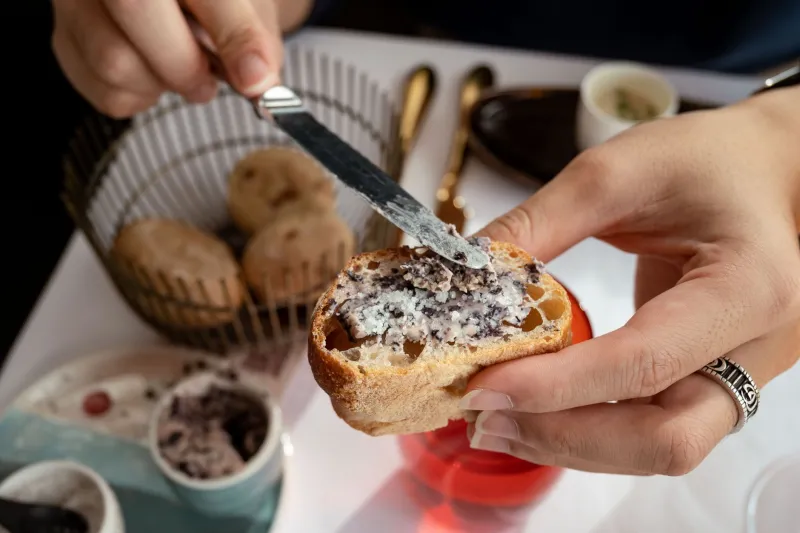
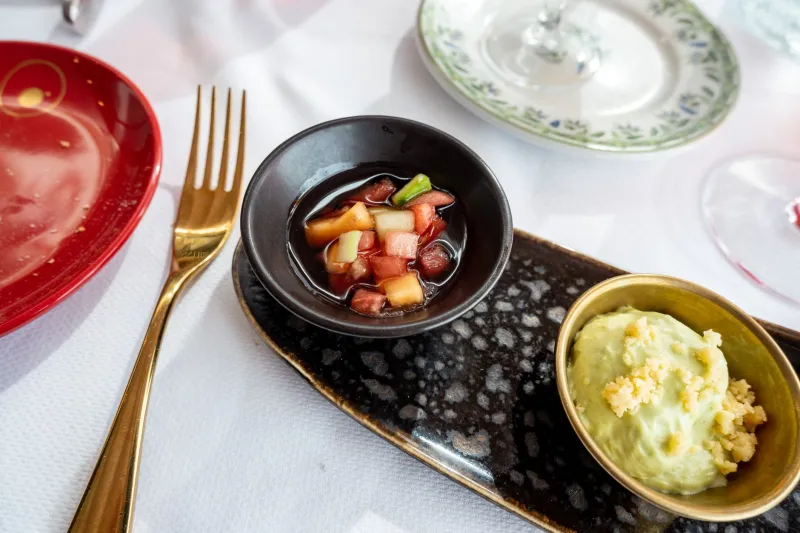
Courses are small. This is perhaps the most common misconception. A twelve-course tasting menu does not mean twelve full plates of food. Many courses are closer to amuse-bouche size — a single bite, a small pour, a three-spoonful interlude. The cumulative effect is satisfying, but the individual portions are designed to intrigue rather than fill.
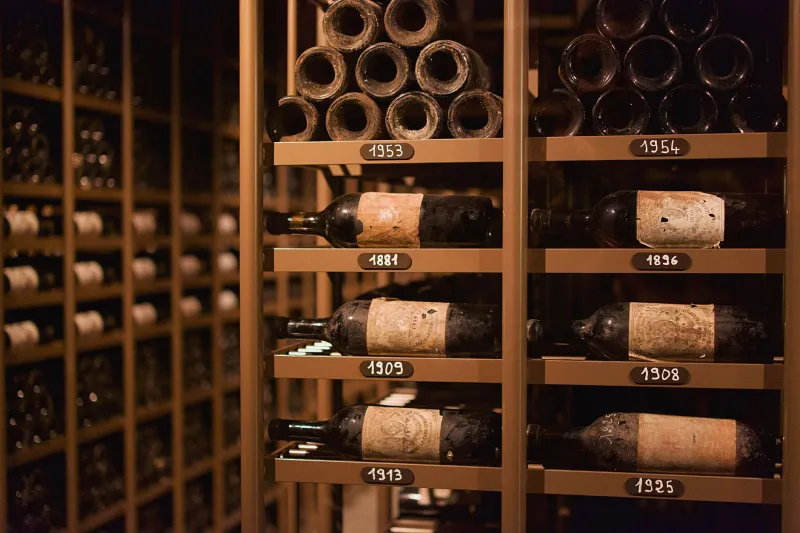
Wine pairings are worth considering. Many dégustation menus offer a paired wine flight, and this is where the format truly earns its logic. A sommelier who has worked with the kitchen to match each course can unlock flavours in a dish that you'd never encounter drinking a single bottle across the whole meal. It's not obligatory, but it's often revelatory.
Pace yourself mentally. The tasting menu is not a race. Some courses arrive quickly; others are preceded by a pause. The kitchen is managing a complex sequence across multiple tables simultaneously. Resist the urge to glance at your watch. The format works best when you release the timeline entirely.
What It Reveals About Generosity
There's a lesson in the menu dégustation that extends well beyond the restaurant. The format is, at its core, an exercise in considered generosity — the idea that giving someone something they didn't know they wanted is more meaningful than simply delivering what they asked for.
This is a principle that translates directly to home cooking. The British dinner party habit of circulating a menu in advance, polling guests on preferences, and producing three separate versions of the main course to satisfy everyone is exhausting for the host and subtly undermines the meal. The French alternative — cook something you know well and love, present it with confidence, and trust your guests to meet you there — produces better food and a more relaxed table.
You don't need to serve twelve courses to adopt this philosophy. You need only to cook with a point of view and trust that it's worth sharing.
Where to Start in the UK
You don't need to travel to Paris to experience a genuinely accomplished menu dégustation. The UK has a growing number of French-influenced restaurants — from small neighbourhood bistros in Edinburgh and Manchester to ambitious London tables — where the format is offered at a range of price points. Look for kitchens that change their menus seasonally and describe their cooking in terms of produce and provenance. These are the places where the tasting menu philosophy runs deepest.
And if you're nervous? Order it anyway. The worst that can happen is a course you don't love — which, in the context of ten others, is really no worse than ordering badly from an à la carte menu. The best that can happen is considerably more interesting than that.