House Rules: Why the Carafe Is the Great Democratiser of French Dining
The Unsung Hero of Every French Table
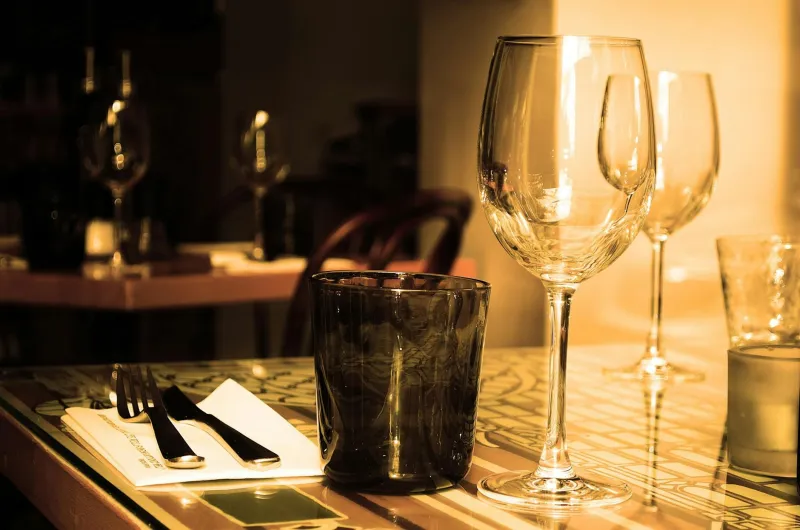
There it sits, unremarkable and unassuming — a simple glass vessel filled with the house wine. No vintage date to intimidate, no flowery tasting notes to decode, no eye-watering price to justify. The carafe is French dining's great equaliser, the quiet revolutionary that makes good wine accessible to everyone from the businessman on his lunch break to the young couple on their first date.
While British restaurants seem determined to make wine drinking as complicated and expensive as possible, the French have perfected something far more radical: simplicity.
A Brief History of Democratic Drinking
The carafe tradition runs deep in French café culture, born from the practical reality that most bistros and brasseries were neighbourhood establishments serving working people who wanted a decent glass of wine with their meal without breaking the bank or studying for a sommelier exam.
Unlike the intimidating leather-bound wine lists that have become standard in British restaurants, the carafe represents a fundamentally different philosophy. It says: "This is good wine. We've chosen it carefully. You'll enjoy it with your food. That's all you need to know."
This isn't about dumbing down wine culture — quite the opposite. The French understand that the best wine is the one you're actually drinking, not the one you're too nervous or too skint to order. The carafe removes the anxiety and pretension that can turn wine selection into an ordeal.
The Economics of Enjoyment
Let's talk about the elephant in the room: price. British restaurant wine lists have become exercises in creative accounting, with bottles marked up 200% or more from their retail price. A decent bottle of wine can easily cost more than two main courses, turning what should be a pleasure into a luxury that many diners simply can't justify.
The carafe changes this calculation entirely. Typically priced at £15-25 for 500ml (about three generous glasses), it offers genuine value without compromise. The restaurant can afford to pour better wine because they're not trying to hit impossible margin targets on prestigious labels. The diner gets to enjoy wine as it was meant to be enjoyed — as a natural accompaniment to food, not a special occasion splurge.
French restaurants understand something that many British establishments seem to have forgotten: people who drink wine with their meal tend to linger longer, order more food, and return more often. The carafe isn't just good business — it's good hospitality.
The Art of House Selection
Choosing a house wine isn't a matter of finding the cheapest bottle on the wholesale list. The best French bistros treat their carafe selection with the same care they'd give to their signature dishes. They taste dozens of wines, considering not just quality but how they'll pair with the food, how they'll taste after sitting open for a few hours, and how they'll represent the restaurant's character.
A good house wine tells you everything about a restaurant's priorities. It signals whether they care more about margins or customer satisfaction, whether they understand wine or just see it as a profit centre. When a bistro serves you a carafe that's genuinely delicious, you know you're in the hands of people who take hospitality seriously.
Breaking Down the British Barriers
So why haven't British restaurants embraced the carafe with the same enthusiasm? Part of it is cultural — we've somehow convinced ourselves that wine needs to be complicated to be good. We've bought into the idea that a wine's worth is measured by its price tag and the thickness of its tasting notes.
There's also a lingering anxiety about appearing unsophisticated. Many British diners worry that ordering the house wine marks them as people who "don't know about wine." The French have no such hang-ups. In France, ordering the carafe is often seen as a sign of confidence — you trust the restaurant's judgment and you're here to enjoy yourself, not to impress anyone.
Fortunately, a growing number of forward-thinking British establishments are beginning to embrace the carafe culture. Wine bars like Noble Green in King's Cross or Diogenes the Dog in Battersea have built their reputations partly on exceptional house wines served by the carafe. These places understand that removing barriers to enjoyment is the best way to build a loyal following.
 Photo: King's Cross, via i.ytimg.com
The Confidence to Order
If you're still carafe-curious, here's how to approach it like a local. Don't ask what grape variety it is or where it's from — that misses the point entirely. Instead, ask whether it's light or full-bodied, or whether the staff would recommend the red or white with your dish. The server's enthusiasm for the house selection will tell you everything you need to know.
Don't worry about whether it's the "right" wine for your food. House wines are chosen specifically to complement the menu, so they'll work well with most dishes. If you're dining with friends, order a carafe of each colour and share — that's exactly what the French do.
Most importantly, don't judge the wine before you've tried it. Some of the most memorable wine experiences happen when you abandon your preconceptions and simply enjoy what's in your glass.
The Future of Unpretentious Drinking
As British dining culture continues to evolve, there's reason to hope that the carafe will find its rightful place on our tables. The current generation of restaurant-goers is less interested in wine snobbery and more focused on authentic experiences. They want good food, good wine, and good value — exactly what the carafe provides.
The restaurants that embrace this shift will find themselves with a significant advantage. In a market crowded with establishments trying to out-prestige each other, the simple act of serving excellent wine without pretension becomes a form of rebellion.
The carafe represents something precious that we've largely lost in British dining: the idea that pleasure doesn't need to be complicated or expensive. It's a reminder that the best wine isn't necessarily the most expensive one — it's the one that brings people together around a table, enhancing conversation and making ordinary meals feel special.
In an age of endless choice and artificial complexity, perhaps what we really need is the confidence to embrace simplicity. The French figured this out decades ago. It's time we caught up.