Slow Mornings, Real Bread: What Britain Gets Wrong About the Weekend Breakfast
The Queue Outside the Brunch Place
It's Saturday morning. You're standing on a damp pavement somewhere in Shoreditch, Clifton, or the Northern Quarter, waiting forty minutes for a table at a place that will charge you £18 for avocado on sourdough and another £35 for the privilege of unlimited warm Prosecco. Around you, people are checking their phones, tagging their location, and performing a very specific kind of relaxation that doesn't look remotely relaxing.
Across the Channel, meanwhile, someone's padding to their local boulangerie in a coat thrown over pyjamas, picking up a still-warm baguette, and heading home to sit at a kitchen table with a bowl — not a cup, a bowl — of milky coffee. No reservation required. No Instagram opportunity being carefully staged. No bill that makes you briefly reconsider your life choices.
This is the fundamental divide between the British brunch and the French weekend morning. And it's worth examining properly, because the gap isn't just about food. It's about what we actually want from our days off.
What the French Actually Do on Saturday Morning
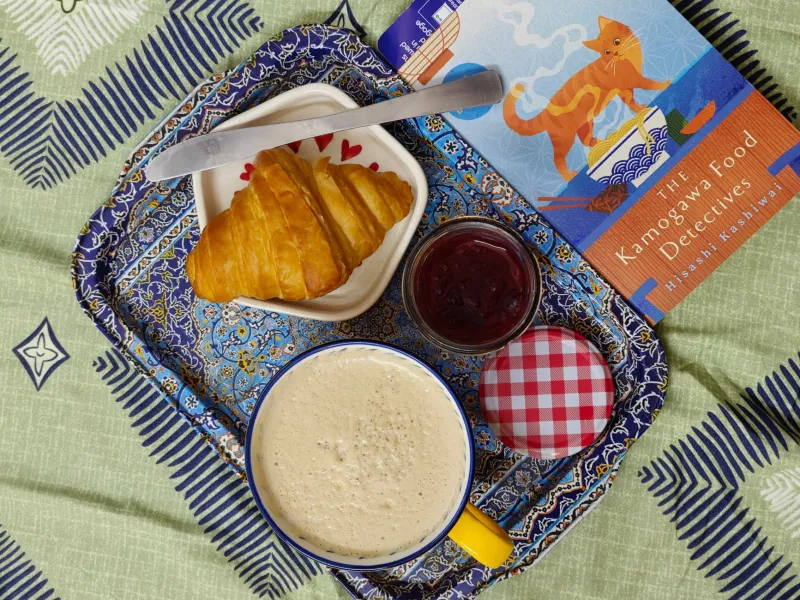
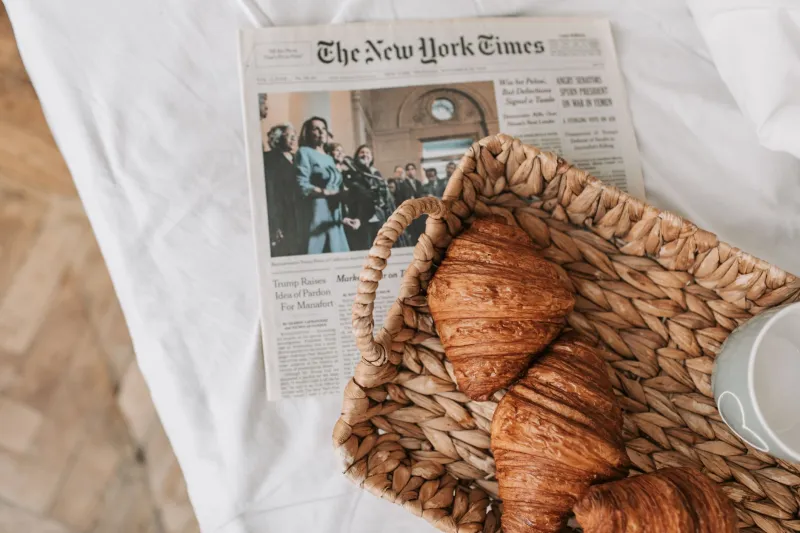
The French petit déjeuner is, by British standards, almost laughably simple. Fresh bread — a baguette, a croissant, perhaps a pain au chocolat if you're feeling indulgent. Real butter, served at room temperature so it actually spreads without tearing the bread to pieces. Jam, ideally something from a jar that's been in the cupboard since summer. And coffee: strong, hot, and served in something large enough to warm your hands around.
That's largely it. And the genius of it is precisely that simplicity.
There's no performance here, no menu to decode, no decision fatigue over whether you want the shakshuka or the smashed avocado or the buttermilk pancakes with bacon and maple syrup. The ritual is fixed. The pleasure comes not from novelty but from repetition — from the same bread, the same butter, the same corner of the same table, week after week. There's a deep comfort in that consistency that the endlessly rotating brunch menu fundamentally cannot provide.
Crucially, the French weekend morning is also unhurried in a way that British brunch rarely is. When you've booked a table for 10:30 and the next sitting is at 12:00, there's an invisible pressure built into the experience from the moment you sit down. The French equivalent has no such tyranny. The morning simply unfolds.
The Bottomless Problem
British brunch culture, at its worst, has become less about food and more about an event — a social occasion that happens to involve eating. The bottomless element is particularly telling. What we're really buying isn't breakfast or lunch; it's a socially sanctioned reason to drink before noon, dressed up in the language of leisure.
There's nothing inherently wrong with that, of course. But it's worth being honest about what it is, and what it costs — financially and in terms of actual restoration. Most people emerge from a two-hour bottomless brunch feeling slightly full, slightly fuzzy, and with considerably less money than they arrived with. The afternoon stretches ahead feeling faintly wasted.
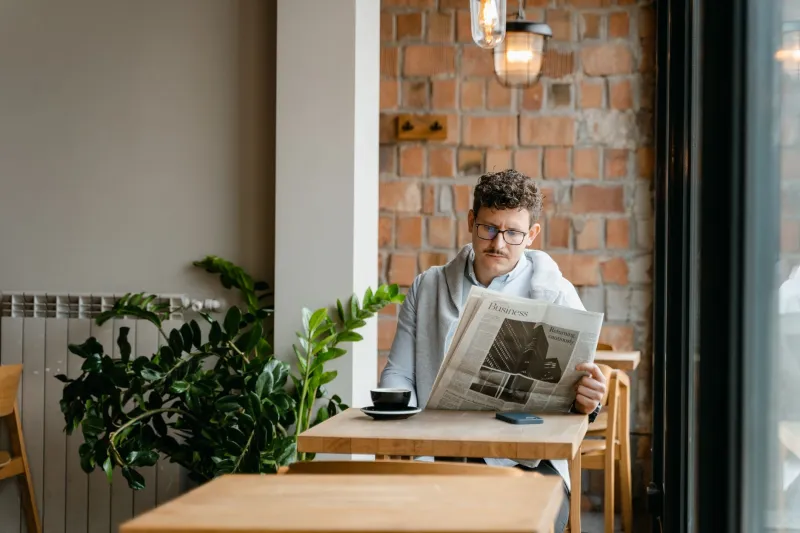
The French petit déjeuner, by contrast, sets you up rather than flattens you. It's a beginning, not an event in itself. You eat, you linger, you read the paper or talk properly without the background noise of a packed restaurant. Then the rest of the day opens out.
The Ritual Is the Point
What France understands about the weekend morning — and what we've somewhat lost in the rush to make brunch an occasion — is that ritual is its own reward. The walk to the boulangerie is part of it. The smell of the bread on the way home is part of it. The slightly too-large coffee bowl is part of it.
Ritual creates a sense of occasion without requiring you to spend money or leave the house for very long. It marks the weekend as different from the week without demanding that you perform your enjoyment for an audience.
There's also something specifically French about the way this morning ritual connects to the wider culture. The boulangerie is a social institution. You see your neighbours. You exchange a few words with the person behind the counter. It's a small act of community that the brunch restaurant, for all its conviviality, doesn't quite replicate — because everyone there is part of your existing social circle, not your actual neighbourhood.
Bringing It Home
You don't need to move to Lyon to reclaim the slow weekend morning. The building blocks are widely available and, compared to brunch for two, almost comically affordable.
Find a decent local bakery — and they're easier to find than ever, given the quiet revolution in British bread culture over the past decade. If you can't get there on Saturday morning, a good sourdough loaf from a supermarket bakery will do the job. Buy real butter and leave it out overnight. Make coffee properly, in a cafetière or a stovetop moka pot, and pour it into the largest cup you own.
Then sit down. Put your phone in another room. Don't plan anything for the first hour. Let the morning be slow.
It costs about £4. It lasts as long as you want it to. And nobody's going to ask you to vacate the table for the next sitting.
That, in the end, is what the French have always understood about Saturday morning. The luxury isn't in the food. It's in the time.